
How to Update Your Wardrobe Without Replacing Everything
Updating your wardrobe does not have to mean clearing out the closet and buying an entirely new set of clothes.
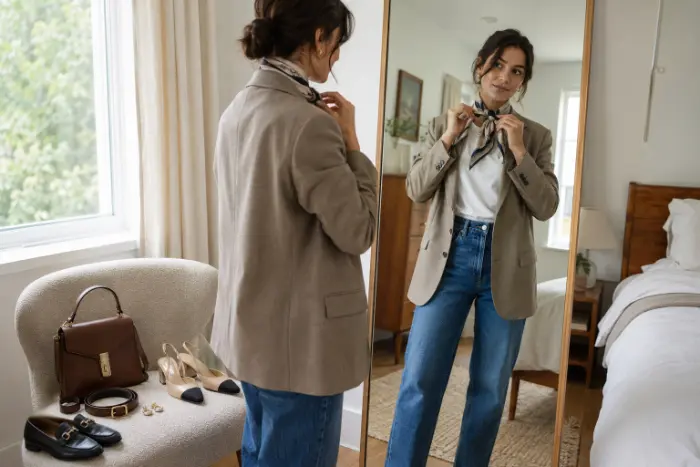
Most wardrobes already contain useful pieces. The problem is often that those pieces are hidden, difficult to combine or no longer styled in a way that feels current. A good pair of trousers may need a different top. A dress you rarely wear may work better with flat shoes and a casual jacket. An old blazer may only need tailoring or a new button to feel right again.
Before buying more, it helps to look at what you already own with fresh eyes. Small changes in fit, styling, colour combinations and accessories can make familiar clothes feel very different.
The goal is not to chase every new trend. It is to make your wardrobe easier to use and more suited to the way you dress now.
Begin With the Clothes You Actually Wear
Your most-worn clothes are the best place to start.
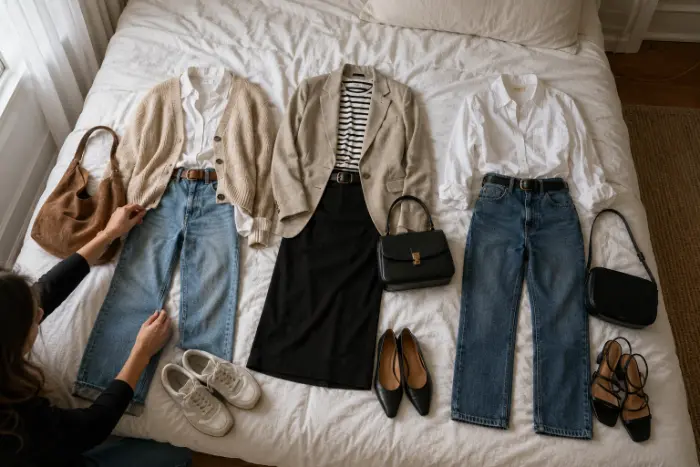
These pieces already suit some part of your routine. They may fit well, feel comfortable or work with the shoes and layers you reach for most often.
Pull out the items you wear repeatedly and place them together. This might include a favourite pair of jeans, several plain tops, a cardigan, a casual dress and the jacket you wear whenever you leave the house.
Look for patterns.
You may notice that you prefer straight-leg trousers, soft fabrics, darker colours or simple tops that can be tucked. You may also realise that you rarely wear fussy sleeves, stiff fabrics or anything that needs constant adjusting.
Your existing favourites reveal more about your personal style than clothes you admire but never wear.
Use those pieces as the foundation of the wardrobe update. You are not starting from nothing. You are building around what already works.
Separate the Problem Clothes From the Useful Clothes
A crowded wardrobe can make everything feel wrong, even when many of the clothes are perfectly good.
Start by separating the pieces that create difficulty.
These may include clothes that no longer fit, items waiting for repair, pieces that belong to another season and outfits you only wear for special occasions.
Do not make every decision at once. Create a temporary section for clothes you are unsure about.
Once the problem pieces are removed from the main area, the useful part of your wardrobe becomes easier to see.
You may discover that you already have several complete outfits hidden behind garments you have not worn in years.
The purpose is not to create an extremely small wardrobe. It is to stop unused clothes from distracting you from the pieces that can serve you now.
Look at Your Current Routine

A wardrobe should match the way you spend your time.
You may own plenty of formal clothing, but most of your week may involve casual work, errands, school runs or time at home. You may have many summer dresses but very few practical layers for cooler days.
Write down the main activities that make up a typical month.
Consider work, weekends, social plans, travel, exercise, religious gatherings, family events and time at home.
Then compare those activities with the clothes in your closet.
If most of your life is casual, you may need better everyday outfits rather than more occasion clothes. If you attend many events, you may need flexible dresses and shoes that can be restyled rather than several one-use outfits.
Your wardrobe becomes more useful when the balance of clothing reflects the balance of your real life.
Create Outfits Before You Create a Shopping List
It is easy to assume that your wardrobe needs new clothes before testing what you already have.
Choose one piece and build several outfits around it.
Take a pair of trousers you wear often and try it with different tops, shoes and layers. Style a dress with a blazer, denim jacket, cardigan and open shirt. Wear a plain T-shirt with jeans, a skirt and tailored trousers.
Do not stop after choosing the top and bottom. Add the shoes, bag and outer layer you would realistically wear.
This process shows you where the real gaps are.
You may find that several outfits only need a good belt. You may realise that the right pair of shoes would make multiple dresses more wearable. You may also discover that you have many tops but very few bottoms that fit well.
A shopping list based on complete outfits is much more useful than buying something simply because it looks attractive by itself.
Restyle Clothes You Usually Wear the Same Way
Many clothes feel old because they are always worn in the same combination.
You may automatically pair one blouse with the same black trousers or wear a certain dress only with heels.
Try changing one part of the outfit.
Wear the blouse open over a fitted tank. Tuck it into jeans instead of trousers. Roll the sleeves and add a belt. Style the dress with sneakers, boots or a cardigan.
A sweater can be worn over a dress, tucked into a skirt or layered over a collared shirt. A button-down shirt can work as a light jacket, a tucked top or a layer beneath a knit.
The garment does not need to change. The surrounding pieces change how it feels.
Take photographs when you find a new combination you like. This gives you an easy reference the next time you feel stuck.
Update the Fit Before Replacing the Item
Sometimes a garment feels outdated when the real issue is the fit.
A blazer may be too long in the sleeves. Trousers may gather at the ankles. A dress may need a small adjustment at the waist. A shirt may look better with the hem shortened.
Tailoring can make familiar clothes feel completely different.
You do not need to alter every item in the closet. Focus on pieces you already like and would wear more often if they sat properly.
Small changes usually offer the most value:
- Shortening trouser hems
- Adjusting waistbands
- Taking in the sides of a dress
- Shortening sleeves
- Replacing loose buttons
- Closing an awkward neckline
- Removing excess shoulder padding
A simple alteration may cost less than replacing the garment and can give you a piece that fits your body more accurately.
Repair the Clothes You Keep Avoiding
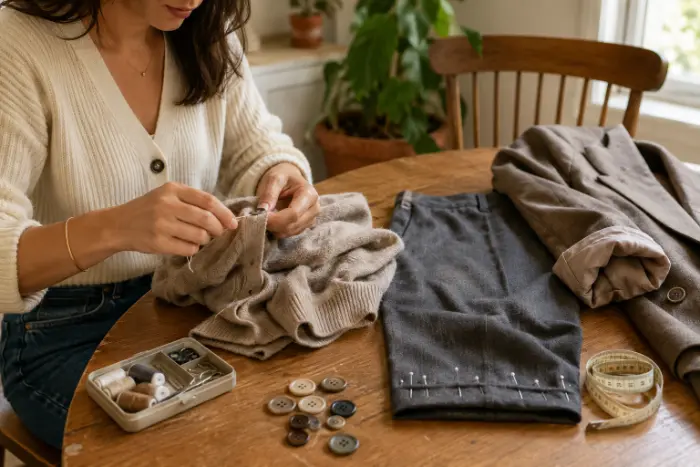
A missing button or loose hem can cause a useful item to remain unworn for months.
Collect the clothes that need small repairs and deal with them together.
Replace broken zips, reinforce loose seams and fix hanging hems. Remove lint and pilling from knitwear. Clean marks from shoes and bags.
If an item needs a repair you are unlikely to complete, take it to a tailor or decide whether it is worth keeping.
Do not allow damaged clothes to remain in the main wardrobe indefinitely. They take up space while offering no real outfit options.
A repaired coat, polished shoe or refreshed sweater can feel new without actually being new.
Change the Buttons or Hardware
Buttons and hardware can date a garment more quickly than the fabric itself.
A simple blazer may feel old because of shiny plastic buttons. A cardigan may look more polished with plain metal, wooden or fabric-covered buttons. A bag may improve with a repaired strap or cleaner buckle.
Choose replacements that suit the garment rather than making every piece dramatic.
A black blazer with simple gold-toned buttons may feel more defined. A cream cardigan with natural buttons can look softer. A denim jacket may only need damaged hardware replaced.
This is a small change, but it can make a familiar item feel more considered.
Adjust the Hemline
The length of a garment affects how current and flattering it feels.
A top that ends at the widest part of the hips may work better slightly shorter. Trousers that bunch over shoes may look cleaner at ankle length. A dress may become easier to wear when the hem is raised or lowered by a few centimetres.
Before cutting anything, pin or fold the hem temporarily and try the garment with different shoes.
Check how it looks when you sit, walk and move.
The best hemline is not always the one currently trending. It should suit your proportions and the shoes you actually wear.
A small length adjustment can change the whole balance of an outfit.
Update Your Basics First
Basics support most of the wardrobe, so they need to work well.
A wardrobe full of interesting jackets and patterned tops will still feel difficult if the plain T-shirts, jeans and trousers do not fit properly.
Review the basics you already own.
Check the condition of necklines, cuffs, waistbands and hems. Notice whether the fabric still holds its shape.
You may not need more basics. You may need to remove the ones that no longer work so that the better pieces are easier to find.
When you do replace something, choose the version that solves the problem. If your current white T-shirt is too sheer, look for a heavier fabric. If your black trousers are uncomfortable at the waist, prioritise a better rise rather than buying another similar pair.
A few dependable basics make the rest of the closet much easier to style.
Build Around a Simple Colour Palette
Clothes become easier to combine when some colours repeat throughout the wardrobe.
This does not mean wearing only black, beige or white. It means having a group of shades that naturally work together.
Look at the clothes you wear most. You may already have a palette without realising it.
Your wardrobe may revolve around black, denim and cream with red accents. It may be based on brown, olive, beige and soft blue. Another wardrobe may use navy, grey, white and burgundy.
Once you identify the colours that connect your clothes, styling becomes simpler.
You can still keep brighter or less common shades. Pair them with the colours that already appear frequently.
A clear palette helps old and new pieces feel like part of the same wardrobe.
Use Accessories to Change Familiar Outfits
Accessories are one of the easiest ways to update clothes without replacing them.
A belt can reshape a loose dress, define a blazer or finish a tucked shirt. Jewellery can make a plain neckline feel more complete. A scarf can bring new colour into a neutral outfit.
You do not need a large collection.
Choose a few accessories that work with several outfits:
- A simple everyday belt
- Small earrings or hoops
- A useful necklace
- A structured bag
- A lighter casual bag
- A scarf in colours you already wear
- Sunglasses that suit your face
Use accessories to support the outfit rather than cover a problem with the fit.
When the clothing already sits well, one extra detail is often enough.
Update Your Shoes
Shoes can make older clothes feel current more quickly than many other purchases.
A dress you no longer wear with heels may work with clean sneakers, loafers or ankle boots. Straight jeans can feel different with ballet flats or a sleek trainer. Wide trousers may look better with a shoe that has a little more structure.
Before buying new clothing, try your existing outfits with different shoes.
Also check the condition of what you already own. Clean sneakers, polish leather and replace damaged heel tips or worn laces.
You may only need one versatile pair to make several outfits easier to wear.
Choose shoes based on your wardrobe rather than buying shoes that will require a new set of clothes.
Add a Useful Layer
Sometimes a wardrobe feels incomplete because it lacks layers.
A simple top and trousers may look plain until you add a blazer, cardigan, denim jacket or overshirt.
Look at the clothes you wear in different seasons. Notice whether you have something to add when the weather changes or the outfit needs more structure.
A useful layer should work with several categories.
A denim jacket can sit over dresses, skirts and trousers. A soft blazer can work with jeans, office trousers and a simple dress. A lightweight shirt can be worn buttoned, tucked or open.
One good layer may create more outfits than several new tops.
Try New Combinations of Texture
Clothes can feel more interesting when the textures are mixed differently.
Pair a soft knit with denim, a crisp cotton shirt with satin, or smooth trousers with a textured cardigan.
This is particularly helpful when you wear many neutral colours.
A cream outfit can include a ribbed top, denim jacket and leather shoe. A black outfit may feel less flat when it combines knitwear, tailored fabric and suede.
You do not need to add brighter colours or prints to make the wardrobe feel updated. Texture can create enough contrast on its own.
Wear Your Occasion Clothes More Casually
Some of the most attractive clothes in a wardrobe are rarely worn because they feel too formal.
Look for ways to make them work on ordinary days.
Wear a dress with sneakers and a denim jacket. Pair a satin skirt with a T-shirt and cardigan. Style a formal blouse with jeans. Wear a tailored jacket over a simple tank.
This will not work with every evening gown or highly delicate piece, but many occasion clothes are more flexible than they appear.
Removing the formal shoes and adding a casual layer can completely change the mood.
Clothes become more valuable when they are not waiting for one exact type of event.
Make Seasonal Clothes Work Longer
You may already own pieces that can move between seasons with better layering.
A summer dress can be worn with a cardigan, tights and boots. A lightweight shirt can sit under a sweater. A sleeveless top can work beneath a blazer or jacket.
A winter knit can be paired with a lighter skirt during transitional weather. A long-sleeve dress may work with sandals on a mild day.
Focus on fabrics that can be layered without creating too much bulk.
Extending the use of seasonal clothes reduces the need for separate wardrobes for every small change in temperature.
Reconsider Clothes You Have Been Saving
Many people keep their best clothes for special days.
A good cardigan, polished flat or well-fitting blouse may stay untouched while worn-out basics are used every week.
Start wearing the better pieces more often.
This does not mean wearing delicate evening clothes to run errands. It means allowing your nicer everyday garments to become part of everyday life.
A favourite jacket can improve a plain outfit. A better pair of shoes can make jeans and a T-shirt feel finished.
Clothes are most useful when they are being worn, not protected inside the wardrobe.
Stop Keeping Clothes Out of Guilt
An expensive purchase can be difficult to remove even when it does not work.
You may also keep gifts, clothes from a previous size or items connected to a past stage of your life.
Keeping them in your main closet does not make them more useful.
If an item has sentimental value, store it separately. If it is in good condition but does not suit you, consider selling or donating it.
The money has already been spent. Forcing yourself to keep an uncomfortable garment will not change that.
Your everyday wardrobe should contain clothes that help you get dressed, not pieces that make you feel guilty.
Store Off-Season Clothes Separately
A closet can feel much easier to use when it contains clothes for the current season.
Move heavy coats, thick knits or summer beachwear elsewhere when they are not needed.
This does not mean hiding everything away. Keep transitional pieces accessible, but remove items that have no realistic use for several months.
When the season changes, bring the stored clothes back and review them before returning them to the main wardrobe.
You may notice that some items no longer suit your style or routine.
Seasonal rotation makes old clothes feel fresh again because you have not been looking at them every day.
Organise Clothes in a Way That Helps You Dress
The most attractive closet system is not always the most practical.
Arrange clothes according to how you build outfits.
You might place tops together, followed by trousers, skirts, dresses and layers. You could organise each category by colour so combinations are easier to see.
Keep the clothes you wear most at eye level. Store occasional pieces higher or further back.
Avoid stacking so many items that the ones underneath disappear.
Your wardrobe should make it easy to see what is available. If you forget an item exists, it cannot become part of an outfit.
Create an Outfit Album
A wardrobe can contain good clothes while still feeling difficult during a rushed morning.
Photograph outfits when you like the result.
Create a folder on your phone and save the images there. Include the shoes, bag and outer layer whenever possible.
You can organise the photos by season, activity or category.
This becomes a personal reference when you cannot decide what to wear. It also helps you notice which clothes are most useful.
An outfit album reduces the pressure to create a new combination every time you get dressed.
Identify the Real Gaps
After restyling, repairing and organising, you will be able to see what is genuinely missing.
A real wardrobe gap is an item that would complete several outfits.
It may be a neutral jacket that works over dresses and tops. It may be comfortable trousers that suit several shirts. It may be a practical shoe that works with jeans, skirts and dresses.
Write down the gap and the specific requirements before shopping.
For example:
“Black trousers” is vague.
“Black straight-leg trousers with a comfortable mid-rise waist that work with flats and ankle boots” is much more useful.
Specific shopping reduces the chance of buying another item that creates a new problem.
Buy Fewer Pieces With More Connections
A new item should ideally connect with several things you already own.
Before purchasing, picture at least three complete outfits.
Include the shoes and layers. Do not assume you will buy those later.
Consider whether the colour works with your existing wardrobe, whether the fabric suits your climate and whether the care instructions fit your routine.
A piece does not have to be basic to be versatile. A printed blouse can still be useful when it works with several bottoms and layers.
The important part is connection.
The more connections a garment has, the more often you are likely to wear it.
Avoid Buying a New Version of the Same Problem
Sometimes people replace a difficult item with something almost identical.
You may keep buying jeans with the same uncomfortable rise or tops in fabrics that cling in ways you dislike.
Before replacing anything, identify why the old version did not work.
Was the length wrong? Was the fabric too thin? Did the colour match very little? Was the neckline uncomfortable?
Use that information when shopping.
A wardrobe update should solve old problems, not repeat them in a newer garment.
Let Your Current Style Lead the Update
Your taste may have changed even if your wardrobe has not.
You may now prefer simpler shapes, softer fabrics or more relaxed outfits. You may want more colour after years of wearing neutrals.
Look at the outfits you currently enjoy. Save images that reflect how you actually want to dress, not a lifestyle that is completely different from yours.
Notice the repeated details.
You may be drawn to wide trousers, fitted tops and structured jackets. You may prefer dresses with flat shoes and light layers. You may like tonal colours, minimal jewellery and clean bags.
Use those preferences to guide what stays and what you buy next.
Do Not Try to Update Everything at Once
A wardrobe becomes more useful through small, deliberate changes.
Start with the category causing the most difficulty.
If you struggle with everyday outfits, work on jeans, trousers, tops and casual shoes first. If your work wardrobe is the problem, focus on pieces that create several office combinations.
You do not need to complete the process in one weekend.
Wear the clothes, notice what feels wrong and make adjustments over time.
A slower approach gives you a clearer understanding of what you genuinely need.
A Simple Wardrobe Refresh Plan
Begin by removing clothes that do not fit, need repair or belong to another season.
Choose your most-worn pieces and build several complete outfits around them.
Try new combinations, different shoes and alternative layers. Photograph the outfits that work.
Repair and alter the clothes worth keeping. Clean shoes, remove pilling and refresh tired garments.
Write down only the gaps that remain after this process.
When shopping, choose pieces that work with several clothes already in your wardrobe.
This approach keeps the update focused and prevents unnecessary spending.
FAQs
How can I refresh my wardrobe without spending money?
Restyle clothes in new combinations, change the way tops are tucked, rotate accessories and wear occasion pieces more casually. Repair, steam and clean the clothes and shoes you already own. Organising the closet may also help you rediscover forgotten items.
Which wardrobe pieces should I update first?
Start with the pieces you wear most often. Well-fitting trousers, jeans, plain tops, shoes and useful layers usually have the greatest effect because they support many outfits.
How do I know whether a garment is worth altering?
Consider how much you like the fabric, colour and overall design. If the only problem is a simple fit issue, alteration may be worthwhile. If you dislike several parts of the garment, replacing or removing it may be more practical.
Can accessories really update old clothes?
Yes. A belt, bag, scarf or jewellery can change the mood of a simple outfit. Accessories work best when the clothing already fits well and the pieces feel connected.
How do I stop buying clothes that do not match my wardrobe?
Check what you own before shopping and make a specific list. Before buying, identify at least three outfits using clothes and shoes already in your closet.
How often should I update my wardrobe?
There is no fixed schedule. Review it when your size, routine, climate or personal style changes. A small seasonal check is often enough to keep it useful.
Should I follow trends when refreshing my wardrobe?
You can use trends selectively. Choose details that fit your existing style and work with clothes you already own. Avoid rebuilding the whole wardrobe around something you may not enjoy next season.
Final Thoughts
Updating your wardrobe does not require replacing everything.
Start with the clothes you wear, repair the pieces worth keeping and adjust the fit where necessary. Try different combinations before deciding that something no longer works.
Pay attention to the real gaps rather than buying more of what you already have. One useful layer, better-fitting trouser or versatile shoe may improve several outfits at once.
A successful wardrobe refresh should make getting dressed easier. The clothes should suit your current life, work together naturally and feel comfortable enough to wear often.
You may already own most of what you need. The update comes from seeing those pieces differently and making the wardrobe work better as a whole.
