
Can Fine Hair Handle a Shag Haircut?
A shag haircut is known for its layers, movement and slightly undone shape. On thick hair, those layers can remove weight and bring out natural texture. On fine hair, however, the same cutting approach needs much more care.
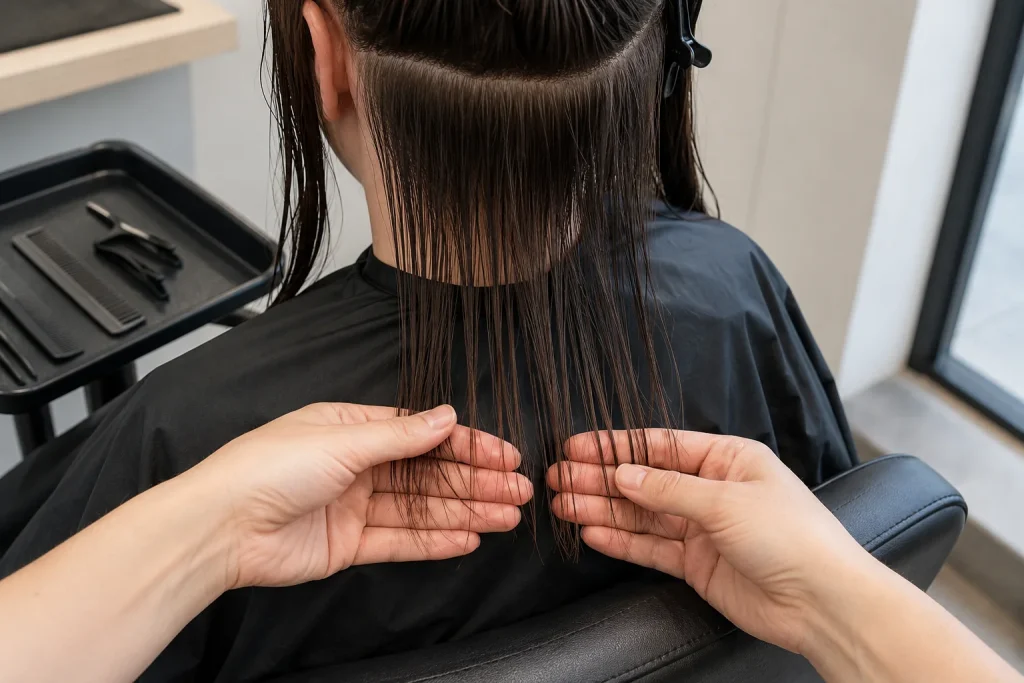
Fine hair can absolutely handle a shag haircut, but it should not be cut in exactly the same way as a shag designed for dense, heavy hair. Too many short layers, aggressive thinning or a heavily feathered perimeter can leave fine hair looking sparse rather than full.
The best shag for fine hair keeps enough weight through the ends while using lighter layers to create movement around the crown and face. It should work with your natural density instead of trying to force the hair into a bigger shape than it can comfortably hold.
Fine Hair and Thin Hair Are Not the Same
Before deciding whether a shag will work, it helps to understand what fine hair actually means.
Fine hair refers to the diameter of each strand. The individual hairs are smaller than medium or coarse strands. You can have fine hair and still have plenty of it, or you can have fine hair with lower overall density.
This difference matters when choosing a layered haircut.
Someone with fine strands and high density may be able to carry more layers because there is enough hair to support the shape. Someone with fine strands and low density may need a much softer version of the shag, with fewer layers and a stronger outline through the ends.
A stylist should look at both strand thickness and overall density before deciding how much hair can safely be removed.
Why a Traditional Shag Can Be Difficult for Fine Hair
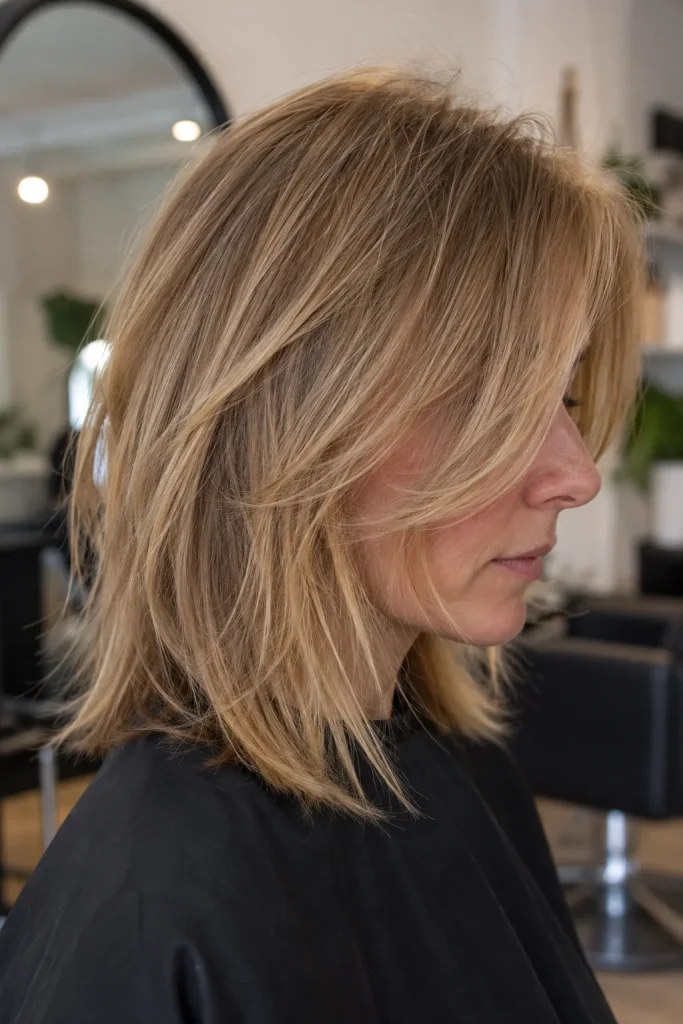
A traditional shag often includes short crown layers, heavy internal layering, feathered ends and a fringe. That combination creates volume and movement on thick hair because it removes excess weight.
Fine hair usually does not have much excess weight to remove.
When the layers are cut too deeply, the lower section may begin to look thin and disconnected. The top can appear fuller for a short time, but the ends may separate into wispy pieces that make the overall haircut look less dense.
The problem is not the shag shape itself. It is the amount of hair removed to create it.
Fine hair needs a more controlled approach. The stylist should build movement without sacrificing the perimeter that gives the hair its fullest appearance.
What Makes a Shag Work on Fine Hair
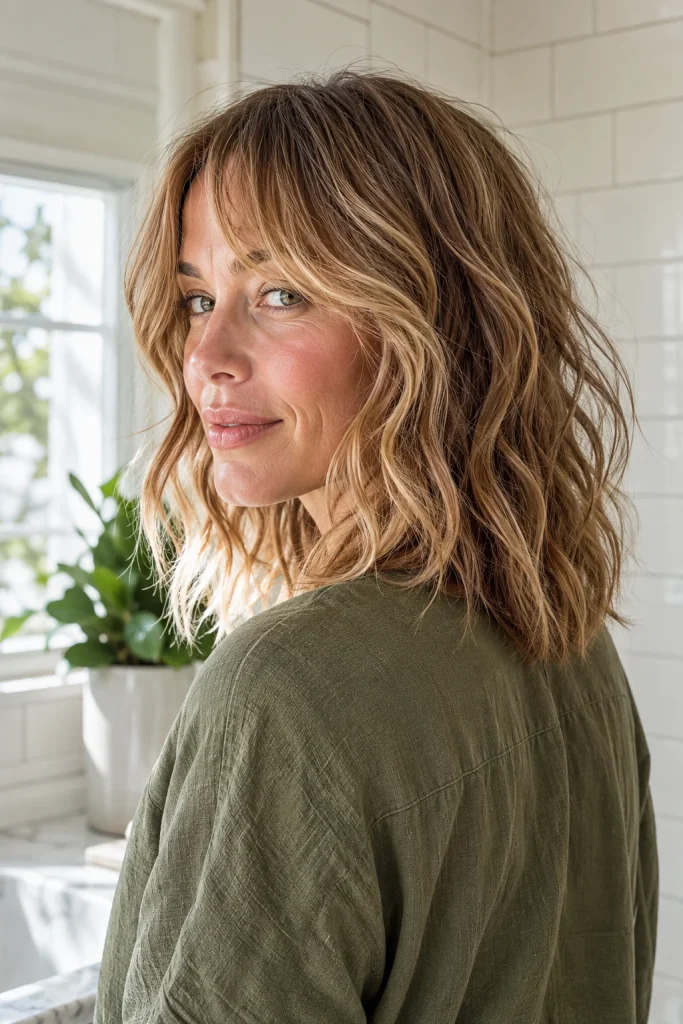
A fine-hair shag usually works best when the layers are subtle, blended and placed where they create the most visual lift.
The crown may benefit from a little movement, but the shortest layers should not be so short that they stand away from the rest of the haircut. Face-framing pieces can soften the shape without removing too much hair from the back.
The ends should still look substantial. A softly blunt or lightly textured perimeter is often more flattering than heavily feathered tips.
A successful fine-hair shag should look airy rather than thin. The layers should help the hair move while leaving enough density for the cut to hold together.
The Perimeter Matters More Than You May Expect
The perimeter is the outer line formed by the ends of the haircut.
On fine hair, that line plays a major role in how full the hair appears. When most of the ends reach a similar point, they sit together and create the impression of greater density.
A shag does not need to have a completely blunt edge, but the lower section should not be over-thinned.
The stylist can soften the outline slightly so it does not feel heavy or severe. However, removing too much weight from the last few inches can make the ends appear transparent.
Ask your stylist to preserve the strength of the perimeter while adding movement mainly through the upper sections and around the face.
How Much Layering Is Safe for Fine Hair?
There is no fixed number of layers that works for everyone. The right amount depends on density, texture, length and the condition of the hair.
Fine hair with good density may tolerate more internal shaping. Fine hair with lower density may need only a few longer layers.
The safest approach is often to begin conservatively. You can always add a little more movement at a later appointment, but it takes time to grow back hair that has been over-layered.
Longer layers usually blend more easily and keep the ends looking fuller. Short layers may create lift, but they can also expose the scalp or leave the sides looking weak when too much hair is removed.
Your stylist should check how the hair falls naturally rather than relying on a standard shag cutting pattern.
Should Fine Hair Have Short Crown Layers?
Short crown layers are often used to create height, but they are not always the best choice for fine hair.
When the crown layers are cut too short, they may separate from the longer hair and create a thin, choppy appearance. They can also become difficult to style once they begin growing out.
A softer approach is to keep the crown layers long enough to blend into the rest of the haircut. This can create movement without making the top look disconnected.
If your hair already has low density at the crown, very short layers may make more scalp visible. In that case, root direction, part placement and light styling may create better lift than removing more hair.
Can a Shag Make Fine Hair Look Fuller?
A well-cut shag can make fine hair look fuller by adding movement and preventing the hair from hanging in one flat shape.
The layers can create lift around the crown, width near the cheeks and texture through the middle of the haircut. A fringe may also make the front appear more styled and substantial.
However, the cut only creates fullness when enough hair is left in place.
If the ends are heavily thinned or the layers are too scattered, the shag can have the opposite effect. The hair may look busy but not necessarily fuller.
The goal should be a balanced silhouette, with movement at the top and a visible, healthy outline at the bottom.
The Best Shag Length for Fine Hair
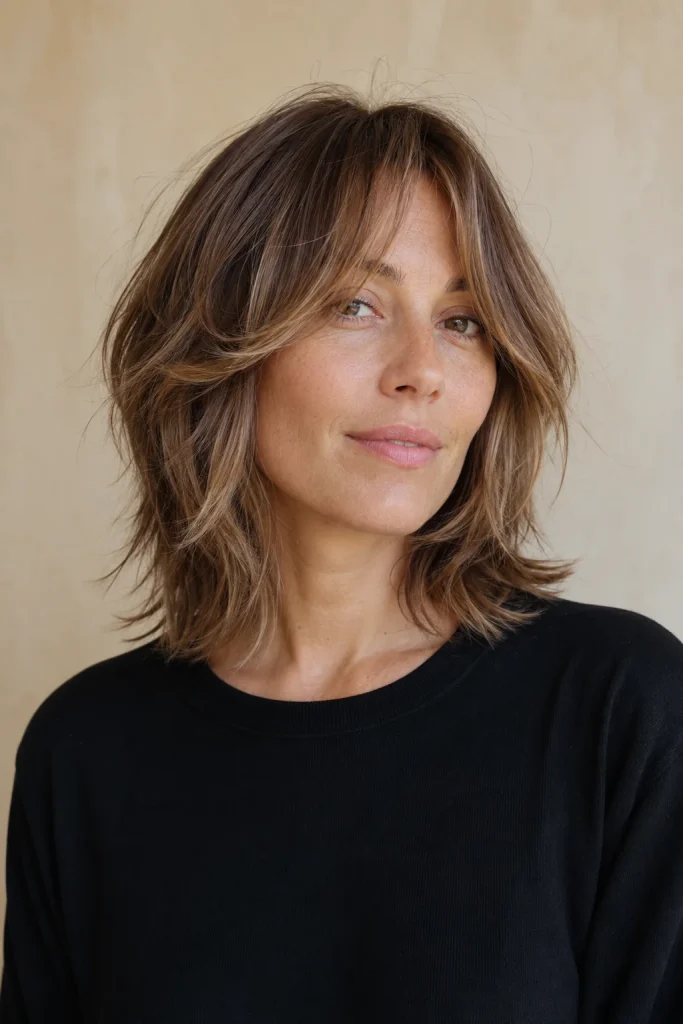
Fine hair can wear a shag at several lengths, but shorter and medium cuts are often easier to support.
A short shag can create lift because there is less weight pulling the roots down. It may work especially well for fine hair with natural wave or bend.
A shaggy bob gives movement while keeping a strong perimeter near the jaw or neck. This can be a practical option for someone who wants texture without losing too much density.
A medium shag that sits between the shoulders and collarbone can also work well. It provides enough length for the layers to blend while avoiding the weight of very long hair.
Long fine hair can carry a shag, but the layering needs to remain controlled. If the lower section already looks sparse, adding more layers may make it weaker.
Can Fine Straight Hair Wear a Shag?
Fine straight hair can wear a shag, although the cut may require a little styling to show its shape.
Straight strands reveal every layer clearly. Poorly blended layers may look obvious, and over-thinned ends can appear stringy.
A straighter fine-hair shag usually benefits from longer layers, a strong perimeter and soft face framing. A light bend created with a blow-dryer, round brush or large curling iron can help the layers sit more naturally.
The cut should still look acceptable when worn straight. You should not need to curl every section each morning just to make the haircut appear connected.
If you prefer very sleek hair, a heavily layered shag may not suit your usual routine. A softly shaggy lob or layered bob may give you movement without requiring as much styling.
Can Fine Wavy Hair Wear a Shag?
Fine wavy hair is often well suited to a shag because the natural texture helps the layers form movement.
The waves can create body around the crown and sides without needing much heat. A light mousse or curl foam may be enough to encourage the pattern.
The main risk is removing too much weight from the ends. Fine waves often form in smaller sections, and excessive layering can make those sections appear thin or uneven.
A stylist should consider where the wave pattern begins and how much the hair shrinks as it dries. Cutting the hair in its natural state, or checking it once dry, can help prevent the layers from becoming shorter than expected.
A soft fringe or curtain fringe may blend beautifully with fine waves, provided the front hairline has enough density.
Can Fine Curly Hair Wear a Shag?
Fine curly hair can also wear a shag, but the stylist needs to account for shrinkage, curl separation and density.
Curly hair may appear much longer when wet than it does when dry. If the layers are cut too short, they can spring upward and expose more scalp than expected.
Fine curls usually need enough weight at the ends to keep the shape balanced. The cut can still be rounded and layered, but it should not be hollowed out aggressively.
A curly shag may work best when the crown is lightly shaped and the sides remain full. The fringe should be cut cautiously because fine curls can shrink considerably around the forehead.
The final haircut should be assessed when dry so the stylist can see how the curls actually sit.
Should Fine Hair Have a Shag Fringe?
A fringe can complete the shag shape, but it needs to suit your hairline and density.
Curtain bangs are often easier for fine hair because they can be blended into the face-framing layers. They also allow more flexibility as they grow.
A soft wispy fringe can work when the front hairline has enough density. It should look intentional rather than like a few strands were pulled forward from the rest of the haircut.
A very thick fringe may take too much hair away from the sides and crown. This can leave the rest of the cut looking thinner.
Before cutting bangs, ask your stylist how much hair will need to be taken from the front. The fringe should add shape without weakening the areas around it.
When a Shag May Not Be the Best Choice
A shag may not be ideal when the hair is already very sparse through the ends.
If the lower section is damaged, heavily bleached or breaking, adding more layers may make the weakness more visible. A stronger bob or lob may improve the shape before you consider a shag later.
A shag may also be difficult if you want a completely smooth, one-length appearance. The haircut is designed to show movement and separation, so it will not behave like a blunt cut.
Very low density at the crown may require special care. Short layers can sometimes create lift, but they may also reveal more scalp. A stylist should assess the area carefully before removing any weight.
Sudden thinning or increased shedding should be discussed with a doctor or dermatologist rather than treated only as a haircut problem.
The Difference Between Texture and Thinning
Texturising and thinning are not always the same thing, although both involve removing some hair.
Light texturising can soften a heavy edge or help layers blend. Thinning removes more bulk and may be performed with thinning shears, a razor or other cutting techniques.
Fine hair rarely needs aggressive thinning.
A stylist may use careful point cutting to soften the ends without making them sparse. The technique should be controlled and suited to the condition of the hair.
If you have had fine hair ruined by thinning shears before, mention it during the consultation. Ask how the stylist plans to create movement and how much weight will be removed.
Should a Razor Be Used on Fine Hair?
Razors can create soft, feathered movement, but they are not always suitable for fine hair.
On healthy fine hair with good density, an experienced stylist may use a razor lightly in selected areas. On fragile, damaged or low-density hair, razor cutting can leave the ends looking weak or frayed.
The result depends greatly on the stylist’s technique and the condition of the blade.
You do not need razor cutting to achieve a shag. Scissors can create controlled layers while preserving more strength through the ends.
If you are concerned about breakage or thin-looking ends, ask for a scissor-cut shag with minimal texturising.
How Hair Condition Affects the Result
Fine hair tends to show damage quickly because each strand has less substance.
Bleaching, repeated heat styling and rough detangling can weaken the ends. A shag may make that damage more noticeable because the hair is divided into several lengths.
Healthy fine hair will usually hold the shape better and look softer through the layers. Damaged hair may separate, frizz or break around the shortest pieces.
Before getting a shag, look at the condition of the lower section. A trim or gentler colour routine may be needed first.
Your stylist may recommend keeping the layers longer until the damaged areas have grown out.
How to Style a Fine-Hair Shag Without Making It Flat
A fine-hair shag should not require a long styling routine.
Begin with a lightweight shampoo and apply conditioner mainly through the lower lengths. Heavy products at the roots may prevent the crown layers from lifting.
After washing, gently remove excess water and apply a small amount of mousse or root spray. Use less than you expect because fine hair becomes overloaded quickly.
Dry the roots first while lifting them with your fingertips. Move the hair from side to side so it does not dry flat in one position.
For straight hair, twist a few sections away from the face or add a soft bend with a large hot tool. You do not need to curl every layer.
For wavy or curly hair, scrunch the hair gently and allow the natural pattern to form. Avoid repeatedly touching it while it dries.
Finish with a small amount of lightweight texture spray if needed. Heavy waxes and oils may separate the ends and make them appear thinner.
How to Air-Dry a Fine-Hair Shag
Air-drying can work well when the haircut follows your natural texture.
Apply a light styling product while the hair is damp, then move the roots away from their usual position. Small root clips can help lift the crown while it dries.
Fine wavy hair may benefit from gentle scrunching. Straight hair can be loosely twisted in a few sections to create a soft bend.
Avoid leaving soaking-wet hair pressed against the scalp. Blot it gently first and separate the roots with your fingers.
Once the hair is dry, loosen the shape carefully. Over-scrunching or brushing can make the ends frizzy and reduce the definition of the layers.
How Often Does a Fine-Hair Shag Need Trimming?
A shag usually grows out more softly than a very precise bob, but it still needs maintenance.
The fringe and face-framing pieces may need attention first. Crown layers can also lose their shape as they grow.
The exact schedule depends on the length and how structured the haircut is. A short shag may need more frequent appointments, while a medium or long shag may grow for longer without looking untidy.
Fine hair should be trimmed when the ends begin to separate, tangle or lose their healthy outline. Waiting too long may make the lower section look thinner.
Ask your stylist how the specific cut will grow and which areas are likely to need maintenance first.
How to Explain the Shag You Want to Your Stylist
Do not ask only for “a shag,” because the word can describe many different haircuts.
Bring reference images showing a similar length, texture and density to your own hair. Point out the specific details you like, such as the fringe, crown movement or face-framing pieces.
Explain that you want to preserve fullness through the ends. Mention any previous problems with over-layering, thinning shears or razor cutting.
You can say:
“I want movement around the crown and face, but I do not want the ends to look thin.”
Ask where the shortest layer will sit and how much weight will be removed from the lower section.
Also tell the stylist how you usually wear your hair. The haircut should work with your everyday routine, not only after a professional blow-dry.
Signs the Shag Has Been Over-Layered
An over-layered shag may look full at the top but weak through the bottom.
The ends may separate into very thin pieces, and the sides can appear hollow around the jaw or shoulders. Short layers may stick out without blending into the rest of the cut.
The ponytail may feel much smaller because fewer strands reach the elastic. You may also find that the haircut only looks connected after curling every section.
If the cut has been over-layered, avoid asking another stylist to add more texture immediately. The best approach may be to tidy the perimeter, blend obvious steps carefully and allow some of the shorter pieces to grow.
Regular trims can gradually restore a stronger outline.
A Softer Alternative to a Full Shag
You do not have to commit to a heavily layered shag to get the same relaxed feeling.
A softly shaggy lob keeps the perimeter strong while adding longer layers around the crown and face.
A layered bob can create movement without the very short crown pieces associated with a traditional shag.
Curtain bangs with subtle face framing can give a one-length cut a shag-inspired appearance while preserving most of the density.
These options may be better for very fine or low-density hair because they offer texture without removing as much weight.
FAQs
Does a shag make fine hair look thinner?
It can when the layers are too short, too numerous or heavily texturised. A carefully adapted shag can create movement and lift while preserving a strong perimeter through the ends.
Is a shag suitable for fine, thin hair?
It may be, but the haircut should be very soft and conservative. Fine, low-density hair usually needs longer layers, minimal thinning and a fuller outline. A shaggy bob or lob may be safer than a heavily layered traditional shag.
What length of shag is best for fine hair?
Short to medium lengths often work well because they remove weight without leaving long, sparse ends. A shaggy bob, shoulder-length shag or collarbone shag can all be flattering depending on density and texture.
Should fine hair be razor cut for a shag?
Not necessarily. Razor cutting can make fine or fragile ends look thinner when it is overused. Scissors can create a softer shag while allowing the stylist to control how much weight is removed.
Can a fine-hair shag be air-dried?
Yes, especially when the hair has natural wave or curl. The cut should follow the natural texture, and lightweight product can help. Straight fine hair may need a little root lifting or a few soft bends to show the layers clearly.
Are curtain bangs good with a fine-hair shag?
Curtain bangs often work well because they blend into the face-framing layers and grow out softly. The stylist should avoid taking too much hair from the sides or crown to create them.
How do I stop a shag from looking stringy?
Use lightweight products, avoid too much oil and keep the ends regularly trimmed. The haircut should also retain enough weight through the perimeter. If the ends were heavily thinned, styling products alone may not correct the shape.
Final Thoughts
Fine hair can handle a shag haircut, but it needs a version designed around its density and texture.
The most flattering result usually includes longer, carefully placed layers, gentle movement around the crown and face, and enough weight through the ends to keep the hair looking substantial.
Avoid assuming that more layers will automatically create more volume. On fine hair, removing too much can weaken the very shape you are trying to improve.
A good shag should make your hair feel lighter and more mobile without making it appear sparse. Begin conservatively, preserve the perimeter and choose a stylist who understands how fine hair responds to layering.
Done well, a fine-hair shag can feel soft, modern and easy to wear without requiring heavy styling every day.
