
How to Dress Comfortably Without Looking Sloppy
Comfortable clothes can make getting dressed easier, especially on busy days when you want to move freely and feel relaxed. The problem is that comfort can sometimes drift into an outfit that looks unfinished, even when every piece feels good to wear.
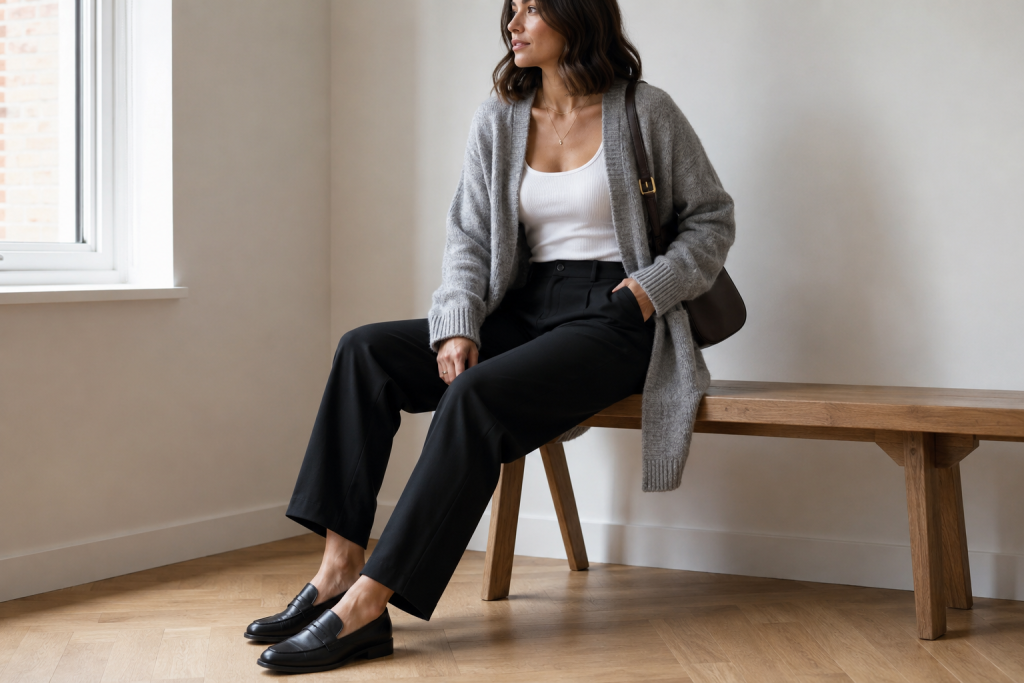
The difference is rarely about wearing expensive clothes or dressing formally. A comfortable outfit usually looks polished when the fit is intentional, the fabrics hold their shape and the pieces work together. Small details such as clean shoes, a visible waistline or a well-chosen outer layer can completely change the result.
You do not need to give up leggings, sneakers, oversized sweaters or relaxed trousers. You simply need to style them in a way that feels deliberate.
Start With Clothes That Fit Properly
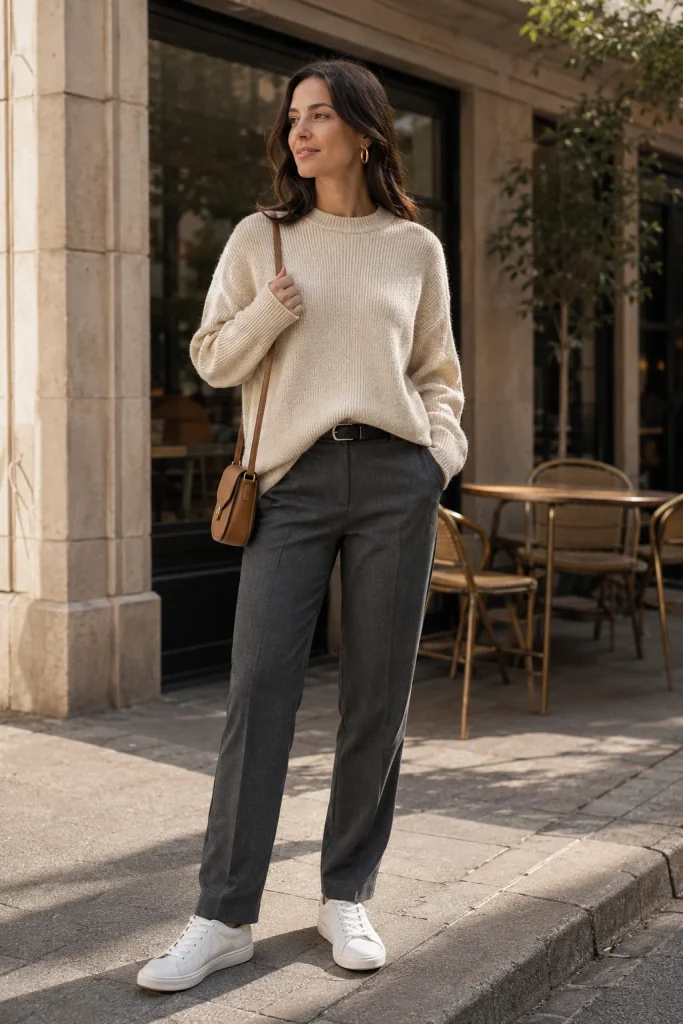
Comfortable clothing should feel relaxed, but it should not look as though it belongs to someone else.
Clothes that are too tight can restrict movement and create pulling around the buttons, seams or waistband. Pieces that are much too large may hide your shape and make the outfit look heavier than it is.
A good comfortable fit gives you room to sit, walk and bend without leaving large amounts of excess fabric around every part of the body.
Pay attention to the shoulders first. On tops, sweaters and jackets, the shoulder seams usually have a strong effect on how polished the whole garment looks. A dropped shoulder can be intentional, but it should still sit evenly rather than sagging on one side.
The length also matters. An oversized sweatshirt that ends at a flattering point may look relaxed and modern. The same sweatshirt can appear untidy when it hangs awkwardly below the hips and bunches over the trousers.
Comfort does not require every garment to be loose. Often, the easiest approach is to combine one relaxed piece with another that has a little more structure.
Balance Loose Pieces With More Defined Ones
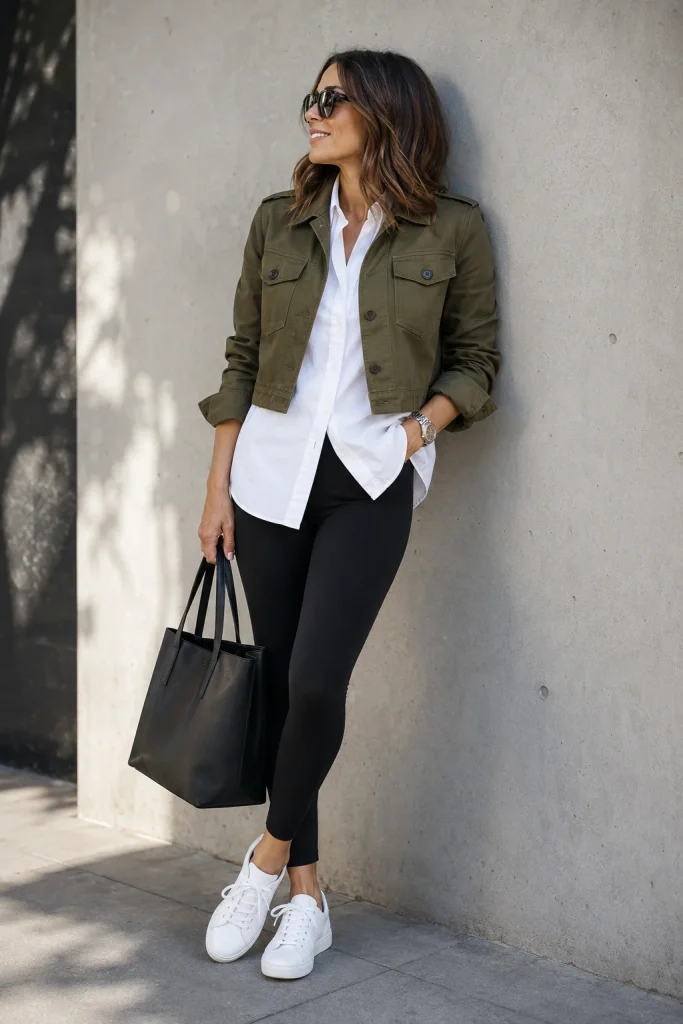
An outfit can begin to look shapeless when every piece is oversized.
Wide-leg trousers, an oversized sweater and a loose coat may all be comfortable individually, but together they can hide the proportions of the outfit. This is especially noticeable when the fabrics are thick or the colors are very similar.
If your trousers are loose, pair them with a top that sits closer to the body or tuck part of the top into the waistband. If you are wearing an oversized shirt or sweater, choose straight-leg jeans, leggings or a more streamlined skirt underneath.
You do not have to create a tight silhouette. The goal is simply to show that the proportions were chosen deliberately.
A fitted tank beneath an open cardigan is one easy example. The cardigan remains soft and roomy, while the layer underneath gives the outfit some definition.
A relaxed top can also work with relaxed trousers when the waistline is visible. A small front tuck, cropped hem or drawstring waist can prevent the fabric from blending into one large shape.
Choose Comfortable Fabrics That Hold Their Shape
Fabric has a major effect on whether an outfit looks polished.
Some very soft materials stretch, wrinkle and lose their shape quickly. They may feel wonderful at home but appear tired after a few hours of wear.
Look for comfortable fabrics with a little substance. Cotton jersey, ponte knit, ribbed knit, structured fleece and heavier linen blends often sit more neatly than very thin, clingy materials.
The fabric does not need to be stiff. It simply needs enough weight to fall cleanly rather than sticking to the body or sagging around the knees and elbows.
This is particularly important with leggings, joggers and simple T-shirts. A thicker legging with a secure waistband usually looks more polished than a thin pair that becomes transparent or gathers around the ankles.
A cotton T-shirt with a defined neckline and good shoulder shape can look much more put together than one that has become stretched and uneven.
Check the condition of the fabric as well. Pilling, faded patches and stretched cuffs can make an otherwise good outfit look worn out.
Build the Outfit Around One Relaxed Piece
When you want maximum comfort, begin with the piece you most want to wear.
It may be your soft trousers, favorite leggings, an oversized knit or a loose dress. Once that piece is chosen, add items that give the outfit balance.
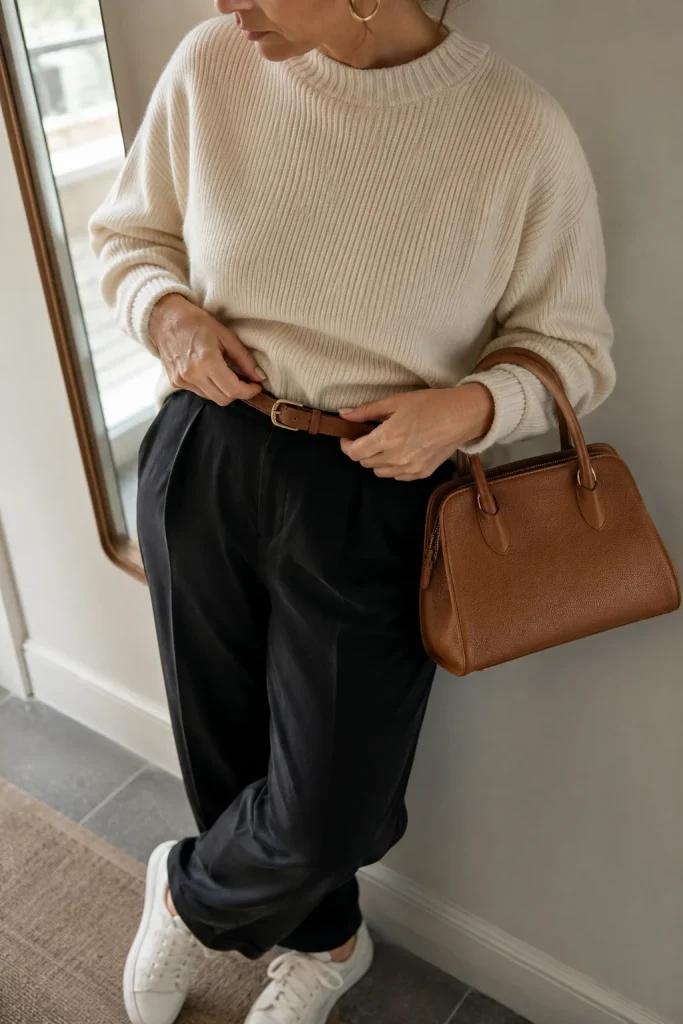
For example, leggings can look polished with a long button-down shirt, a structured jacket and clean sneakers. Relaxed trousers may work with a tucked-in T-shirt and a simple leather belt. An oversized sweater can be paired with straight jeans and ankle boots.
Starting with one comfort-focused piece prevents the entire outfit from becoming overly loose or casual.
It also makes getting dressed simpler. You are not trying to transform comfortable clothing into formalwear. You are simply adding enough structure to make the outfit look complete.
Pay Attention to Your Waistline
Showing some definition around the waist is one of the quickest ways to make relaxed clothing look more intentional.
This does not mean you need to wear a tight belt or tuck in every shirt. A visible waistband, cropped jacket or slightly shorter top may be enough.
A front tuck works well with soft shirts and sweaters because it creates shape without making the whole outfit feel fitted. Tuck only the center portion of the top and allow the sides to fall naturally.
A full tuck can look clean with wide-leg trousers, skirts and high-waisted jeans. Choose a top that is light enough to sit comfortably inside the waistband without creating bulky folds.
You can also create waist definition with an open layer. A cardigan, blazer or jacket creates vertical lines along the sides of the body, allowing the top underneath to remain visible.
If you prefer not to emphasize your waist, focus on creating a clear shoulder line or choosing a hem that ends at a flattering point. Shape can come from several parts of an outfit.
Make Leggings Look Like Part of an Outfit
Leggings are comfortable, practical and easy to wear, but they can look unfinished when paired with the first oversized top you find.
Choose leggings made from a supportive, opaque fabric. A clean waistband and smooth finish usually make them easier to style outside the house.
Add a top or layer with some structure. A crisp oversized shirt, long cardigan, quilted jacket or relaxed blazer can make the leggings feel like a deliberate base rather than gym clothing.
Footwear changes the mood as well. Clean sneakers create a casual everyday look, while loafers or ankle boots make the outfit feel slightly dressier.
Avoid combining worn leggings, an old sweatshirt and tired shoes unless you are genuinely dressing for home. Every piece does not have to be new, but it should still look cared for.
Choose Joggers With a Clean Shape
Joggers can work beyond the sofa when their shape is simple and the fabric sits neatly.
Look for a pair with a smooth waistband, minimal branding and a tapered or straight leg. Very bulky pockets, stretched knees and gathered fabric around the ankles can make them harder to dress up.
Pair joggers with a fitted knit, a clean T-shirt or a tucked tank. Add an open shirt, denim jacket or structured coat to give the outfit another layer.
Monochromatic combinations work particularly well with joggers. A black top with black joggers, or cream knitwear with beige trousers, creates a longer, cleaner line.
The outfit does not need to match perfectly. Similar tones are enough to make the pieces feel connected.
Use Matching Sets Carefully
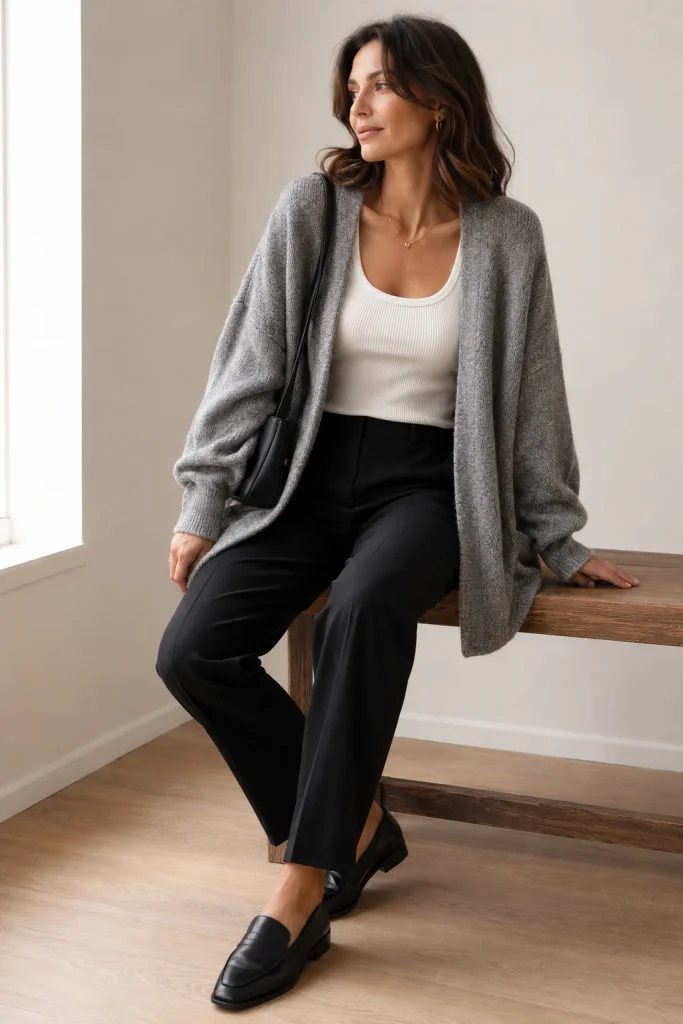
Matching lounge sets are an easy way to look coordinated without spending much time planning an outfit.
The matching color and fabric make the outfit feel intentional, even when the pieces are soft and relaxed. However, the fit and condition still matter.
Choose a set with a clear shape. A cropped sweatshirt with high-waisted joggers, a knit top with wide-leg trousers or a fitted cardigan with a matching skirt can all feel comfortable without looking like sleepwear.
Add a contrasting coat, bag or pair of shoes to break up the set. This helps the outfit feel styled rather than simply matched.
Jewelry can also lift a plain set. Small hoops, a simple chain or a watch adds detail without making the outfit less comfortable.
Let Your Shoes Finish the Outfit
Shoes often determine whether a comfortable outfit looks casual or careless.
Sneakers are an obvious choice, but they need to look clean and suit the shape of the clothing. A sleek sneaker may work better with wide-leg trousers, while a slightly chunkier style can balance leggings or a fitted knit dress.
Loafers are useful when you want comfort with a more polished finish. Soft leather loafers, mules and ballet flats can work with jeans, trousers and simple dresses.
Ankle boots can give oversized knits and relaxed jeans more structure during cooler months.
The shoes do not need to be formal. They should simply feel connected to the rest of the outfit.
Worn-out soles, dirty fabric and loose laces can pull down an otherwise polished look. Keeping a few dependable everyday shoes in good condition makes comfortable dressing much easier.
Add One Structured Layer
A structured layer can transform a very simple outfit.
A blazer over a T-shirt and joggers creates contrast between relaxed and tailored pieces. A denim jacket adds shape to a soft dress. A trench coat makes leggings and sneakers feel more considered.
The layer does not have to feel stiff or restrictive. Unlined blazers, soft trench coats, lightweight utility jackets and knitted jackets can provide shape while remaining comfortable.
Pay attention to the length. A cropped jacket can define the waist over loose trousers, while a longer coat can create a clean vertical line over leggings or a fitted base.
When the outfit underneath is very simple, the outer layer often becomes the piece that makes everything feel complete.
Keep Your Color Palette Simple
Comfortable outfits often look more polished when the colors work together.
A simple palette of two or three colors is easier to manage than several competing shades. Neutrals such as black, cream, gray, navy, beige and brown are useful because they mix easily, but you do not need to avoid brighter colors.
You might wear navy trousers with a pale blue shirt and white sneakers, or black leggings with a gray knit and camel coat.
Repeating a color somewhere in the outfit creates a sense of balance. Your shoes might match your top, or your bag may pick up a shade from your scarf.
A monochromatic outfit can look especially polished because the eye moves smoothly from one piece to the next. Mixing slightly different shades of the same color often feels softer than wearing an exact matching set.
Make Sure the Clothes Are in Good Condition
Comfortable clothing gets worn frequently, which means it often shows signs of wear sooner.
Check for stretched necklines, pilling, faded knees, missing buttons and loose hems. These details are small, but together they can make an outfit look neglected.
A fabric shaver can refresh knitwear and sweatshirts. Steaming can remove wrinkles from soft trousers, shirts and dresses without making the fabric feel stiff.
Shoes and bags also need occasional cleaning. A simple outfit relies heavily on its condition because there are fewer decorative details to distract from wear.
You do not have to replace clothes at the first sign of age. Basic maintenance can keep your favorite pieces looking presentable for much longer.
Use Accessories to Show Intention
Accessories are useful when an outfit feels too plain, but you do not need many of them.
A simple pair of earrings, a watch, sunglasses or a structured bag may be enough. The purpose is to add one finished detail, not to decorate every part of the outfit.
A belt can create shape around a loose dress or tucked shirt. A scarf can add color to a neutral outfit. A crossbody bag can make leggings and a jacket feel ready for the day rather than intended for home.
Choose accessories that suit your real routine. A large statement necklace may not feel comfortable if you are running errands or looking after children. Smaller pieces can have the same polishing effect without getting in the way.
Choose a Bag With Some Structure
A bag can influence the overall impression of a relaxed outfit.
A soft tote is practical, but when it is overfilled or collapsing in on itself, it may add to the untidy feeling. A bag with a defined shape often gives a casual outfit more polish.
Crossbody bags, compact shoulder bags and structured totes all work well. The best option depends on what you need to carry.
Keep the outside of the bag clean and avoid leaving straps twisted. These details are easy to overlook but are visible when the rest of the outfit is simple.
Make Oversized Sweaters Look Intentional
Oversized sweaters are comfortable, warm and easy to wear, but they need proportion.
If the sweater is long and bulky, pair it with a slimmer bottom such as leggings, straight jeans or a narrow skirt. If the knit is cropped and wide, high-waisted trousers can balance the shape.
Roll or push the sleeves slightly to show the wrists. This small adjustment can make a heavy knit feel lighter.
You can also add a visible layer underneath. A shirt collar, longer white hem or fitted turtleneck gives the outfit more dimension.
Avoid combining a very long sweater with loose trousers and flat, delicate shoes unless the proportions feel balanced. A more substantial shoe can help ground the look.
Wear Comfortable Trousers Instead of Defaulting to Sweatpants
Elastic-waist trousers can be just as comfortable as sweatpants while looking more polished.
Wide-leg knit trousers, pull-on tailored pants and soft straight-leg trousers offer room to move without appearing overly casual. Look for flat waistbands, neat seams and fabric that does not cling.
Pair them with simple tops that can be tucked or cropped. A fitted long-sleeve top, cotton shirt or lightweight sweater will usually work.
These trousers are especially useful for travel, working from home, casual meetings and days when jeans feel too restrictive.
Choose Dresses That Do Not Need Constant Adjusting
A comfortable dress should allow you to move without pulling at the hem, straps or neckline.
T-shirt dresses, knit dresses, shirt dresses and relaxed midi styles can all feel easy to wear. The key is choosing a shape with enough definition.
A dress with a waist seam, tie belt or structured shoulder usually looks more finished than a completely shapeless style. A loose dress can still work when the fabric falls cleanly and the length suits your proportions.
Add sneakers, flat sandals, loafers or boots depending on the season. A cardigan, denim jacket or blazer can make the dress feel more styled without reducing comfort.
Do Not Ignore Your Underwear
The foundation underneath an outfit affects how the clothes sit.
Uncomfortable bras, rolling waistbands and visible underwear lines can cause you to keep adjusting your clothes throughout the day. They may also change the shape of soft fabrics.
Choose undergarments that fit properly and suit the garment. Seamless options can work well beneath leggings and knit dresses, while a supportive bra can improve the way T-shirts and sweaters hang.
Comfortable dressing should begin with the first layer. When the base feels wrong, the rest of the outfit rarely feels relaxed.
Take Care With Wrinkled Clothing
A little natural creasing is normal, especially with linen and cotton. The problem is when the garment looks as though it has been sitting in a pile.
A quick steam can make a major difference. Focus on collars, cuffs, waistbands and the front of the garment, where wrinkles are most visible.
Some fabrics wrinkle more attractively than others. Linen is expected to crease, but the garment should still have a clean overall shape.
Store clothes in a way that supports their fabric. Hang shirts and dresses, fold heavy knits and avoid overcrowding drawers.
Keep Hair and Grooming Simple but Deliberate
A comfortable outfit does not require a full beauty routine. However, a few grooming details can help the whole look feel finished.
Fresh hair, brushed brows, moisturized skin or a tinted lip balm may be enough. A neat ponytail or low bun can look polished without taking much time.
The goal is not perfection. It is simply to avoid the feeling that you got dressed halfway and stopped.
Clean nails, cared-for shoes and clothing free from lint often have more impact than elaborate makeup or complicated styling.
Create a Reliable Comfortable Outfit Formula
Having a few outfit formulas makes it easier to dress well when you are tired or in a hurry.
You might rely on straight jeans, a soft T-shirt, a cardigan and sneakers. Another formula could be leggings, a fitted base layer, an oversized shirt and loafers.
For warmer weather, you might wear wide-leg pull-on trousers with a tank and lightweight button-down shirt. During winter, a knit dress with tights, boots and a long coat can feel comfortable while still looking complete.
The exact formula should match your lifestyle. Once you know which proportions and fabrics work for you, you can repeat the structure with different colors and pieces.
Repeating an outfit formula is not boring. It is one of the easiest ways to build a personal style that works in real life.
Know the Difference Between Relaxed and Worn Out
Relaxed clothes have intentional ease. Worn-out clothes have lost their original shape.
A faded sweatshirt may still be perfect for home, but it may not be the best choice when you want to look polished. The same applies to leggings that have become thin, shoes with damaged soles or knitwear that no longer holds its neckline.
It can help to separate your home clothes from the comfortable pieces you wear outside. This prevents your most worn items from becoming the default for every situation.
You do not need a completely different wardrobe. A few well-kept casual pieces can cover errands, travel, school runs, casual lunches and relaxed workdays.
Avoid Saving Your Best Clothes for Special Occasions
Many wardrobes contain comfortable, flattering pieces that are rarely worn because they seem too nice for an ordinary day.
A well-fitting cardigan, polished sneakers or a good coat can improve your daily outfits much more when you actually wear them.
Using your nicer basics does not mean dressing up. It simply means allowing your everyday wardrobe to include pieces that fit well and make you feel good.
The more often you combine comfort with clothes you genuinely like, the less likely you are to fall back on outfits that feel careless.
What to Do When an Outfit Still Feels Sloppy
Stand in front of a full-length mirror and look at the whole outfit rather than focusing on one item.
Check whether everything is loose. If it is, define one area with a tuck, fitted layer or shorter hem.
Look at the shoes next. A cleaner or more substantial pair may balance the outfit better.
Check the condition of each piece. Wrinkles, lint or stretched fabric may be the real problem.
Finally, add one finishing detail. This could be a jacket, earrings, belt or structured bag.
Do not keep adding accessories when the proportions are wrong. Fix the shape first, then finish the look.
FAQs
Can leggings look polished?
Yes. Choose an opaque pair with a supportive waistband and combine them with a structured top layer, clean shoes and a simple bag. Avoid pairing worn leggings with several other overly casual pieces.
How can I make sweatpants look less sloppy?
Choose sweatpants with a clean shape, minimal branding and fabric that holds its form. Pair them with a fitted top, coordinated layer and polished sneakers or loafers.
Are oversized clothes always unflattering?
No. Oversized clothing can look stylish when the proportions are balanced. Combine one oversized piece with something more defined, or show the waist, wrists or ankles to prevent the outfit from becoming shapeless.
What shoes make casual clothes look more polished?
Clean sneakers, loafers, ankle boots, mules and simple ballet flats can all improve a casual outfit. The best choice depends on the cut and weight of the clothing.
How can I look put together without wearing jeans?
Try pull-on trousers, ponte pants, wide-leg knit trousers, midi skirts or casual dresses. These can feel softer than jeans while still giving the outfit a clear shape.
How do I dress comfortably for work?
Choose soft tailoring, elastic-waist trousers, knit blazers, comfortable loafers and tops that allow movement. Keep the colors coordinated and make sure the garments hold their shape throughout the day.
Final Thoughts
Dressing comfortably without looking sloppy comes down to intention.
You can wear leggings, joggers, oversized knits and sneakers while still looking polished. The fit should be deliberate, the fabrics should hold their shape and the pieces should feel connected.
Begin with one comfortable item, then add definition through the waist, shoes or outer layer. Keep the clothing in good condition and finish the outfit with one simple detail.
Comfortable dressing should make your day easier, not leave you feeling underdressed. When the proportions, fabrics and finishing touches work together, you can feel relaxed and still look ready for wherever the day takes you.
