
How to Make Basic Outfits Look More Put Together
Basic outfits are often the ones we wear most. A plain T-shirt with jeans, a simple sweater with trousers or a tank top with a skirt can carry you through workdays, errands, lunches and casual plans without much effort.
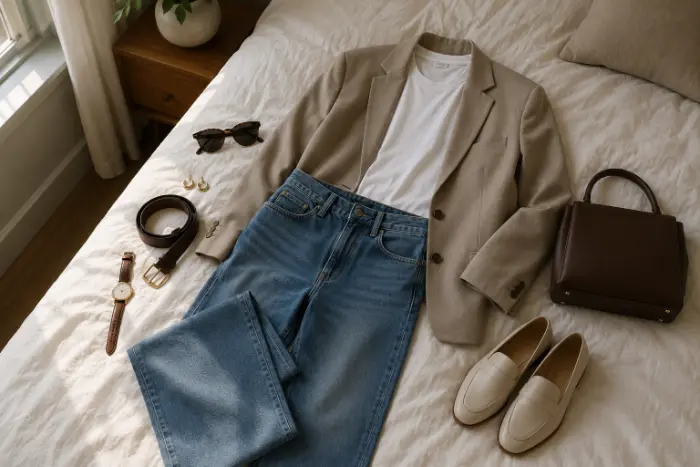
The problem is that simple clothes can sometimes look unfinished. The outfit may fit and feel comfortable, yet still seem as though something is missing.
You do not need a completely different wardrobe to fix that. Basic outfits usually look more polished when the fit is right, the proportions feel balanced and a few small details connect the pieces. A neat tuck, the right shoe or one well-chosen accessory can make an ordinary combination feel intentional.
The aim is not to make every outfit formal or overly styled. It is to keep the ease of your basics while making the finished look feel considered.
Begin With Clothes That Fit Well
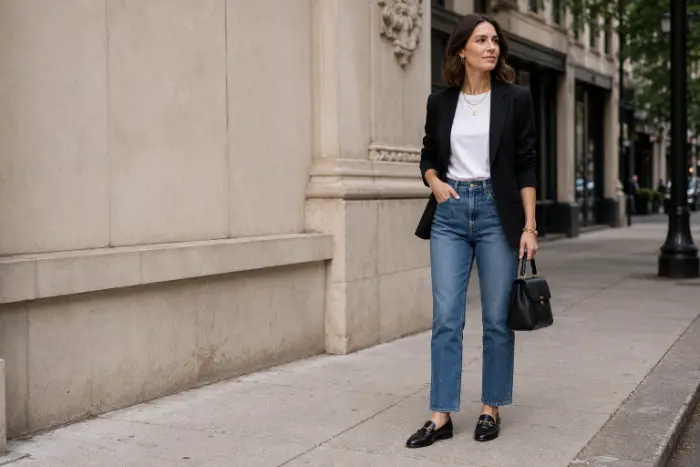
Simple outfits leave very little room for poor fit to hide.
When you wear a patterned dress or a heavily detailed jacket, the design may draw attention away from small fit problems. With a plain top and trousers, every seam, hem and proportion becomes more noticeable.
Start by checking how the clothes sit rather than focusing only on whether they technically fit.
A T-shirt should sit neatly across the shoulders without pulling around the chest or hanging heavily under the arms. Jeans should allow you to sit comfortably without creating large gaps at the waist. A sweater can be relaxed, but it should still look like the size was chosen deliberately.
Pay attention to the areas where fabric collects. Excess bunching around the ankles, waist or sleeves can make even good-quality clothes look untidy.
Small alterations can make basics much easier to wear. Shortening trousers, adjusting a waistband or changing the length of a sleeve may improve several outfits at once.
Pay Attention to the Shoulder Line
The shoulder area affects the whole shape of an outfit.
On a fitted shirt, jacket or knit, the seam should usually sit close to the edge of your natural shoulder. When it falls too far down without being part of an intentional oversized design, the garment can look tired or borrowed.
Dropped shoulders can still look polished. The rest of the piece simply needs to support that relaxed shape. The sleeves should be the right length, the hem should sit well and the fabric should fall rather than sag.
Structured shoulders are useful when the rest of the outfit is soft. A blazer over a basic T-shirt can instantly give the look more definition. A denim jacket can do the same for a simple dress or knit set.
You do not need shoulder pads or a sharply tailored jacket every day. A clean shoulder line is often enough.
Balance the Proportions
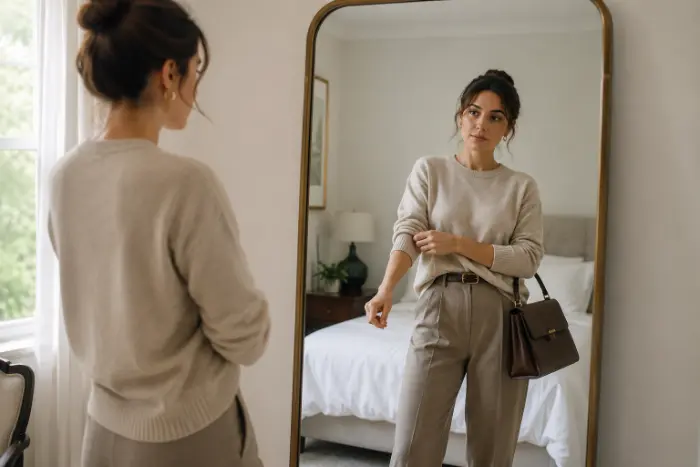
Many basic outfits look slightly off because the proportions are competing.
An oversized top with wide trousers may create too much volume. A very fitted top with extremely slim jeans can feel flat because every part of the outfit follows the same narrow line.
Try to create some contrast.
If you are wearing wide-leg trousers, a shorter top or a tucked shirt can help define the waist. If you choose an oversized sweater, pair it with straight jeans, leggings or a more streamlined skirt.
You can still wear two relaxed pieces together. The waistline may need to remain visible, or the outfit may benefit from a cropped jacket, fitted inner layer or substantial shoe.
Look at the outfit as one shape. Ask whether the eye can see where the top ends, where the waist sits and how the trouser or skirt line continues.
Use a Tuck to Give the Outfit Shape
Tucking a top can change a basic outfit within seconds.
A full tuck works well when the fabric is light enough to sit comfortably inside the waistband. It can make wide-leg trousers, jeans and skirts feel more defined.
A front tuck creates shape without making the whole outfit feel fitted. Tuck a small section at the centre, then allow the sides and back to fall naturally.
A side tuck can work with softer sweaters and relaxed shirts. It gives the outfit an uneven, casual shape that still feels deliberate.
Avoid forcing thick fabric into a tight waistband. If the top creates bulky folds, try a shorter hem, a cropped layer or a small elastic trick inside the garment instead.
The purpose of a tuck is to show the structure of the outfit, not to create more fabric around the waist.
Choose the Right Top Length
A few centimetres can change how a basic top works with the rest of the outfit.
A T-shirt that ends at the widest part of the hips may visually cut the body at an awkward point. The same top may look much better tucked, slightly cropped or worn with a higher waistband.
Long tops can work beautifully with leggings and slim trousers, especially when the hem is curved or has side slits. With wide or straight bottoms, a shorter length often creates better balance.
You do not have to wear a crop top that exposes your stomach. A top that meets the waistband or ends just below it can create the same clean proportion.
Before deciding that an outfit does not work, try folding the hem under temporarily. This can show whether a shorter length would improve the shape.
Keep the Colour Palette Connected
A simple outfit often feels more polished when the colours relate to one another.
This does not mean every piece has to match. Repeating one shade is usually enough to create a connection.
You might wear black trousers with a cream top, then repeat the black in your shoes or belt. A blue shirt can work with jeans when the two shades are slightly different but still belong to the same colour family.
Neutral colours make basic outfits easy to combine, but they are not the only option. Burgundy with navy, olive with cream or soft pink with brown can look just as coordinated.
When an outfit feels disconnected, look for a colour that appears only once. Repeating it through a bag, shoe, layer or small accessory may bring everything together.
Try Tonal Dressing
Wearing several shades from the same colour family can make basic clothes look more expensive and considered.
You might combine cream trousers, an oatmeal sweater and beige shoes. A charcoal top with black jeans and a grey coat creates the same effect in darker tones.
The pieces do not need to match exactly. Slight differences often make the outfit more interesting.
Texture becomes especially important in tonal outfits. Denim, knitwear, cotton, leather and suede reflect light differently, even when the colours are close.
If the whole outfit feels flat, add contrast through the bag, shoes or jewellery rather than introducing several unrelated colours.
Choose Fabrics That Hold Their Shape
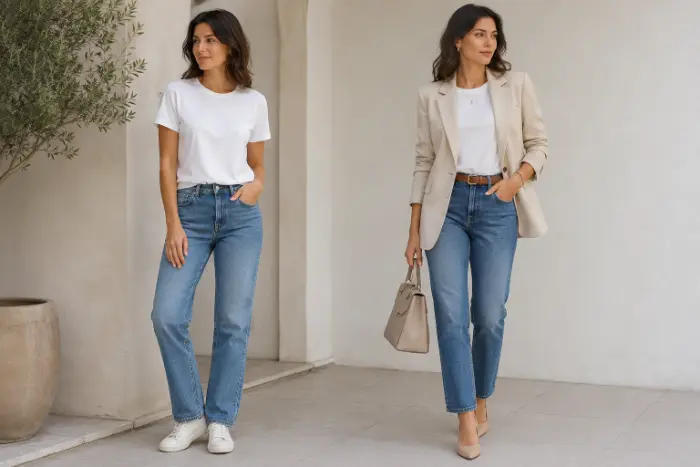
The fabric can make a plain garment look polished or worn out.
Thin, clingy materials may reveal every fold and lose their shape quickly. Very soft fabric can also stretch around the neckline, elbows or knees after repeated wear.
Look for basics with enough weight to fall neatly. Cotton with some structure, ribbed knits, ponte, heavier jersey and good-quality denim often create cleaner lines.
This does not mean every fabric should feel thick. A lightweight shirt can still look polished when it drapes well and does not collapse around the body.
Check how the material behaves after sitting, walking and washing. A top that looks good for five minutes but becomes twisted or stretched during the day may not be a useful basic.
Make Sure the Clothes Are in Good Condition
Because basic outfits are simple, signs of wear become more visible.
A stretched neckline, pilled sweater or faded knee can pull down the whole look. The outfit may be well styled, but the condition of the fabric still makes it feel neglected.
Inspect the clothes you wear most often. Remove lint, trim loose threads and replace missing buttons. Use a fabric shaver on knitwear and steam pieces that crease easily.
Pay attention to white and black basics in particular. White tops can become dull, while black fabric may fade unevenly after frequent washing.
You do not need to replace clothes at the first sign of wear. A small amount of care can keep everyday pieces looking presentable for much longer.
Add a Third Piece
A top and bottom form the base of an outfit. A third piece often makes it feel complete.
This could be a blazer, cardigan, denim jacket, waistcoat, overshirt or lightweight coat.
The extra layer creates depth and gives the eye another line to follow. It can also help balance proportions by adding structure around the shoulders or creating vertical lines through the centre.
For warm weather, use a lightweight shirt worn open over a fitted tank. A linen waistcoat can add shape without covering the arms. During cooler months, a soft blazer or cropped jacket works easily over many basics.
The third piece should support the outfit rather than overwhelm it. If the clothes underneath are already loose, choose a layer with a clearer shape.
Use a Blazer Without Making the Outfit Feel Formal
A blazer is one of the quickest ways to polish a simple combination, but it does not need to look like officewear.
Wear it over a plain T-shirt, tank or lightweight knit. Pair it with jeans, relaxed trousers, a simple dress or even polished joggers.
An unlined or softly tailored blazer often feels more comfortable for everyday wear. Rolled sleeves can make the look less formal and show a little wrist.
The length should work with your proportions. Cropped blazers define the waist, while longer styles create a smooth vertical line.
Keep the rest of the outfit relaxed if you want the blazer to feel casual. Sneakers, flat boots and soft bags prevent the look from becoming too businesslike.
Let the Shoes Set the Tone
Shoes can make the same basic outfit feel polished, sporty, relaxed or dressy.
A T-shirt and jeans with worn running shoes may feel purely practical. Switch to clean leather sneakers, loafers or ankle boots, and the outfit immediately looks more deliberate.
Wide-leg trousers often work well with shoes that have enough shape or weight to balance the fabric. Slim trousers may suit loafers, ballet flats or sleek sneakers.
Simple dresses can move between seasons depending on the footwear. Sandals keep them light, sneakers make them casual and boots add more structure.
The shoes do not have to be expensive. They should be clean, in good condition and suited to the proportions of the clothes.
Keep Everyday Shoes Presentable
Basic outfits rely heavily on footwear because there are fewer competing details.
Clean the edges and soles of sneakers regularly. Replace damaged laces and wipe away marks before they become difficult to remove.
Check the heels and toes of boots and loafers. Scuffs are often more visible than you realise, particularly on black or smooth leather.
It helps to have a few dependable pairs for different outfits rather than one shoe worn with everything. A clean sneaker, a comfortable flat and a simple boot can cover many everyday situations.
Good shoes do not need to draw attention. They simply need to finish the outfit properly.
Add a Belt When the Outfit Needs Definition
A belt can make a plain outfit feel much more intentional.
It creates a clear break between a top and bottom, particularly when the colours are similar. It can also repeat the colour or material of your shoes and bag.
A slim belt works well when you want subtle definition. A wider belt makes more of a statement and can reshape a loose dress, shirt or blazer.
Do not add a belt automatically. Some outfits look cleaner without one, especially when the waistband already has interesting details or the top sits neatly at the right length.
Use a belt when the middle of the outfit feels unfinished or when the clothes appear to blend into one shape.
Choose One Noticeable Accessory
Basic outfits usually do not need many accessories.
One visible detail can be enough. This might be a pair of earrings, a watch, a pendant, a scarf or a structured bag.
Choose the accessory based on the neckline and mood of the outfit. A plain crew-neck T-shirt may suit a simple chain. An open shirt may work better with earrings or a watch.
A bold accessory can become the focus, while delicate pieces quietly add polish.
Avoid adding several items simply because the outfit is basic. Too many accessories can make the look feel busy rather than complete.
Use Jewellery to Bring Light Near the Face
Small jewellery can lift a plain outfit without changing its comfort or simplicity.
Gold, silver or pearl-like earrings bring a little brightness near the face. A simple chain can fill the space above a plain neckline. A watch or bracelet adds detail when the sleeves are pushed up.
Choose a finish that works with the colours you wear most often. You do not have to follow strict rules about warm and cool metals. Consistency often matters more than the exact choice.
Keep a few pieces easy to reach so that wearing them does not become another complicated step.
The jewellery should feel like part of your usual style, not a costume added to make an outfit look finished.
Choose a Bag That Supports the Outfit
A bag can either strengthen a basic outfit or make it feel less organised.
Structured bags add definition to soft clothing. A clean crossbody can make a T-shirt and jeans feel ready for the day. A simple tote works when it holds its shape and is not overloaded.
The bag does not have to match the shoes exactly. They can share a colour family, texture or level of formality.
A very formal bag may feel disconnected from a sporty outfit, while a worn canvas tote can pull down a polished combination.
Keep the straps straight, the exterior clean and the contents organised enough that the bag does not bulge awkwardly.
Roll or Push Up the Sleeves
Showing the wrists can make a basic outfit feel lighter and more styled.
Push the sleeves of a sweater or blazer slightly upward. Roll the cuffs of a button-down shirt once or twice. Keep the result relaxed rather than perfectly symmetrical.
This works especially well when the top is oversized or the fabric is heavy. Exposing the wrist breaks up the volume and creates a little more shape.
It also gives space for a watch or bracelet to become visible.
Avoid rolling very stiff fabric into a large bundle. The sleeve should stay comfortable and sit naturally throughout the day.
Pay Attention to Trouser Length
The hem of your trousers affects both the shoes and the overall proportions.
Straight jeans may look cleaner when they end near the ankle or fall smoothly over the top of the shoe. Wide-leg trousers should skim the floor without dragging or gathering heavily.
Cropped trousers need to end at an intentional point. A hem that sits at the widest part of the calf can sometimes feel awkward, while a slightly shorter ankle length may look cleaner.
Try trousers with the shoes you actually plan to wear. A pair hemmed for heels may not work with flats, and the reverse is also true.
A simple alteration can turn trousers you rarely wear into one of the most useful pieces in your wardrobe.
Make Jeans Look More Polished
Jeans are one of the easiest foundations for a basic outfit.
A darker or more even wash generally looks slightly dressier, while faded and distressed denim feels more casual. Neither is wrong, but the rest of the outfit should match the mood.
Choose a shape that sits cleanly through the waist, hips and legs. Constantly pulling at the waistband or adjusting the rise will make the outfit feel less comfortable and less polished.
Pair jeans with a tucked shirt, fitted knit, blazer or structured jacket. Add clean footwear and one simple accessory.
You do not need to avoid T-shirts. A well-fitting tee with neat denim and good shoes can look more put together than a complicated outfit with poor proportions.
Style a Plain T-Shirt With Intention
A plain T-shirt is easy to overlook, but it can form the base of many polished outfits.
Choose a neckline that sits neatly and works with your proportions. Crew necks feel classic, while V-necks and scoop necks create more open space around the face.
Check the sleeve length. A sleeve that ends at a flattering point can make the arm and shoulder line look cleaner.
Tuck the shirt into jeans or trousers, or wear it under an open jacket. Add a necklace or earrings if the neckline feels empty.
A T-shirt does not need a graphic or unusual detail to look good. Fit, fabric and styling are enough.
Make a Sweater and Jeans Feel Less Ordinary
A sweater with jeans is comfortable and familiar, but a few adjustments can give it more shape.
Try a small front tuck or choose a sweater that meets the waistband. Push the sleeves back to reveal the wrists.
Add a belt if the waistband is visible. Choose shoes that support the weight of the knit, such as loafers, ankle boots or clean sneakers.
A collared shirt underneath can create extra detail at the neckline and cuffs. A scarf may work when the sweater is plain and the colours need connecting.
You can also use texture. A ribbed, cable-knit or brushed sweater adds interest even when the colour is simple.
Make Leggings Look More Intentional
Leggings can form part of a polished outfit when they are treated as a base rather than the whole look.
Choose an opaque pair with a smooth waistband and enough structure to keep its shape.
Add a top layer that gives the outfit length or definition. An oversized shirt, long cardigan, quilted jacket or relaxed blazer can work well.
A fitted tank or T-shirt underneath prevents the outfit from becoming bulky. Finish with clean sneakers, loafers or boots depending on the season.
Avoid combining leggings with several pieces that look worn or intended only for home. The polish comes from the contrast between the simple base and the stronger layers around it.
Make a Plain Dress Feel Finished
A simple dress is already a complete outfit, but it may still need a little styling.
Add a belt when the shape needs definition. Use a jacket or cardigan to create structure through the shoulders. Choose shoes that match the length and fabric of the dress.
A short cotton dress may suit sneakers or sandals. A knit midi can work with loafers or ankle boots. A plain slip-style dress may feel more relaxed with a T-shirt underneath or a cardigan over it.
Jewellery and a bag can change the mood without making the dress uncomfortable.
The dress should remain the centre of the outfit. Add only the details needed to make it feel complete.
Mix Textures to Keep Neutrals Interesting
Basic neutral outfits can sometimes feel flat when every piece has the same smooth finish.
Mixing textures creates depth without adding more colour.
Pair denim with a soft knit, cotton with leather or linen with suede. A ribbed top can add interest beneath a plain jacket. A woven bag can soften a simple summer outfit.
The differences do not need to be dramatic. Even a matte T-shirt with slightly polished loafers gives the eye more to notice.
This is particularly useful with monochrome outfits. Texture separates the pieces while keeping the colour palette calm.
Use Contrast Deliberately
Contrast can come from colour, fit, fabric or style.
A tailored blazer over a soft T-shirt creates contrast in structure. White sneakers with black trousers create colour contrast. A delicate necklace with an oversized sweater adds contrast in scale.
Basic outfits often improve when one contrast is clear.
Too much contrast can make the outfit feel disconnected, so choose one main idea. If the colours are bold, keep the shapes simple. If the proportions are dramatic, use a quieter palette.
A little tension between pieces makes a simple outfit more interesting without making it complicated.
Keep the Outfit Suitable for the Occasion
A basic outfit looks more polished when it feels appropriate for where you are going.
Jeans and a T-shirt may work perfectly for errands, but a casual lunch may call for a blazer, better shoes or a structured bag. Leggings can be practical for travel, especially with an organised layer and comfortable footwear.
You do not need a completely different outfit for every activity. Small changes can adjust the same base.
Before leaving, consider the setting, weather and amount of walking involved. An outfit that looks good but requires constant adjusting will not feel put together for long.
Comfort and suitability are part of polish.
Do Not Forget the Underlayers
The clothes underneath affect how the outfit sits.
A bra with the wrong shape may create pulling across a T-shirt. Visible seams can interrupt the line of fitted trousers or knit dresses. A camisole may help a lightweight blouse drape more smoothly.
Choose undergarments that feel comfortable and suit the fabric being worn.
This is not about hiding your body. It is about giving the garment a stable base so it can sit as intended.
When a basic outfit looks wrong and you cannot identify the reason, check the first layer before replacing the clothes.
Steam or Iron the Most Visible Areas
Wrinkles can make simple clothing look less deliberate.
You do not always need to press the entire garment. Focus on the areas people notice first, such as collars, cuffs, waistbands and the front of a shirt or dress.
A handheld steamer is useful for everyday pieces because it works quickly and does not create a stiff finish.
Some fabrics, such as linen, will crease naturally throughout the day. The aim is not to remove every line. The garment should simply start with a clean, cared-for appearance.
Store clothes in a way that reduces unnecessary creasing. Hang shirts and dresses, and fold heavy knitwear so it does not stretch.
Keep Grooming Simple but Deliberate
A basic outfit can feel complete when the rest of your appearance looks cared for.
You do not need elaborate hair or makeup. A neat ponytail, brushed hair, moisturised skin or tinted lip balm may be enough.
Clean nails, fresh shoes and clothes free from lint have a noticeable effect.
The purpose is not to look perfect. It is to make the outfit feel like a choice rather than something worn without attention.
Choose a grooming routine you can realistically repeat. A polished appearance should not require an hour every morning.
Create a Few Reliable Outfit Formulas
An outfit formula is a combination you know works.
It might be straight jeans, a fitted T-shirt, a blazer and sneakers. Another could be wide-leg trousers, a tucked knit and loafers. A simple dress with a short jacket and boots may be another dependable option.
The formula stays the same while the colours and individual pieces change.
Having a few formulas makes it easier to look put together on busy days. You do not need to create a new outfit from the beginning every morning.
Photograph combinations you like and keep them in a folder on your phone. When you feel stuck, use the image as a reminder rather than buying something new.
Repeat the Details That Work
Personal style often comes from repeating a few details consistently.
You may regularly push up your sleeves, wear small gold earrings or choose structured crossbody bags. You may prefer tucked tops, clean sneakers and a simple neutral palette.
These repeated choices make basic outfits feel connected to you.
You do not need a signature accessory or strict uniform. Notice the details that make you feel comfortable and polished, then use them more often.
Consistency can make a very ordinary outfit feel personal.
Avoid Adding Too Much
When an outfit feels plain, it is tempting to keep adding pieces.
A belt, scarf, necklace, jacket and statement bag may each look good separately, but together they can overwhelm a simple base.
Fix the proportions first. Check the fit, tuck, hem and shoe choice. Once the shape feels right, add one or two finishing details.
A basic outfit should still feel basic. The appeal comes from clean styling, not from decorating every available space.
Stop when the outfit feels complete, not when every accessory has been used.
What to Check Before You Leave
Look at the full outfit in a mirror rather than examining each piece separately.
Check whether the proportions feel balanced and whether the waistline or garment shape is clear.
Look at the trouser and sleeve lengths. Make sure the shoes are clean and connected to the mood of the clothes.
Remove lint, straighten collars and adjust twisted seams.
Finally, decide whether the outfit needs one finishing detail. That may be earrings, a jacket or a bag. It may also need nothing else.
The final check should take a minute, not become a long process.
FAQs
How can I make jeans and a T-shirt look more put together?
Choose pieces that fit well, tuck or slightly crop the T-shirt and add clean shoes. A belt, blazer, jewellery or structured bag can finish the outfit without making it feel overdressed.
What accessory makes the biggest difference to a basic outfit?
The most useful accessory depends on the outfit, but a structured bag, simple earrings or a belt can make a noticeable difference. Choose one item that supports the clothes rather than adding several unrelated details.
How do I make a neutral outfit look less boring?
Mix different textures, use several shades from the same colour family and add contrast through shoes or jewellery. A neutral outfit does not need bright colour when the fabrics and proportions are interesting.
Do basic outfits need a blazer?
No. A denim jacket, cardigan, overshirt, waistcoat or lightweight coat can provide the same finishing effect. Choose the layer that fits your lifestyle and the level of formality you need.
How can I look polished while wearing sneakers?
Choose clean sneakers with a simple shape and pair them with clothes that fit neatly. A tucked shirt, structured jacket, good trousers or polished bag can balance the casual footwear.
Why does my outfit still look sloppy after adding accessories?
The problem may be the fit or proportions rather than a lack of accessories. Check whether everything is oversized, the hems are awkward or the fabrics have lost their shape. Fix the foundation before adding more details.
Can an oversized outfit still look put together?
Yes. Keep one part of the outfit defined through the waist, wrists, ankles or inner layer. Make sure the oversized pieces have intentional shapes and are not simply several sizes too large.
Final Thoughts
Making basic outfits look more put together is not about buying more clothes or dressing formally every day.
Start with pieces that fit well and fabrics that hold their shape. Balance the proportions, adjust the top length and choose shoes that suit the outfit. Then add one finishing detail, such as a jacket, belt, jewellery or structured bag.
The smallest choices often have the greatest effect. A neat tuck, clean sneaker or pushed-up sleeve can make familiar clothes feel completely different.
Your basics should make getting dressed easier. Once you know how to shape, connect and finish them, even the simplest outfit can feel polished without losing the comfort that made you choose it in the first place.
