
How to Get Clear Skin: 15 No-Drama Habits That Make Your Routine Finally Click
You know when your skin decides to wake up and choose chaos for absolutely no reason? One pimple becomes three, your forehead suddenly has texture you swear was not there yesterday, and now you’re standing in the skincare aisle wondering whether you need seven new serums.

Good news: probably not.
If you’re trying to figure out how to get clear skin, the biggest upgrade usually isn’t adding more stuff. It’s getting really consistent with a handful of habits that keep your skin clean, supported, protected, and considerably less irritated.
And just so we’re setting sane expectations here, clear skin does not mean poreless, texture-free, airbrushed skin. That exists in filters. Real skin has pores, little bumps, lines, and the occasional hormonal betrayal. We’re going for healthy, calm, happy-looking skin—not a porcelain doll situation.
So, how do you actually get clearer skin?
1. Make your morning drink hydrating, not magical

Lemon water while wearing a glossy sheet mask? Extremely main-character morning. And if it helps you drink more fluids, cute—keep it.
Just don’t expect the lemon itself to erase acne. Drinking enough fluid supports normal hydration, while a hydrating mask can temporarily make dry skin look plumper and fresher. Neither one replaces an actual acne routine. Think of this as the cozy supporting cast, not the star of the show.
Also, please keep straight lemon juice in the kitchen instead of DIY-ing it onto your face. Your skin barrier has enough responsibilities already.
2. Keep water where you can actually see it
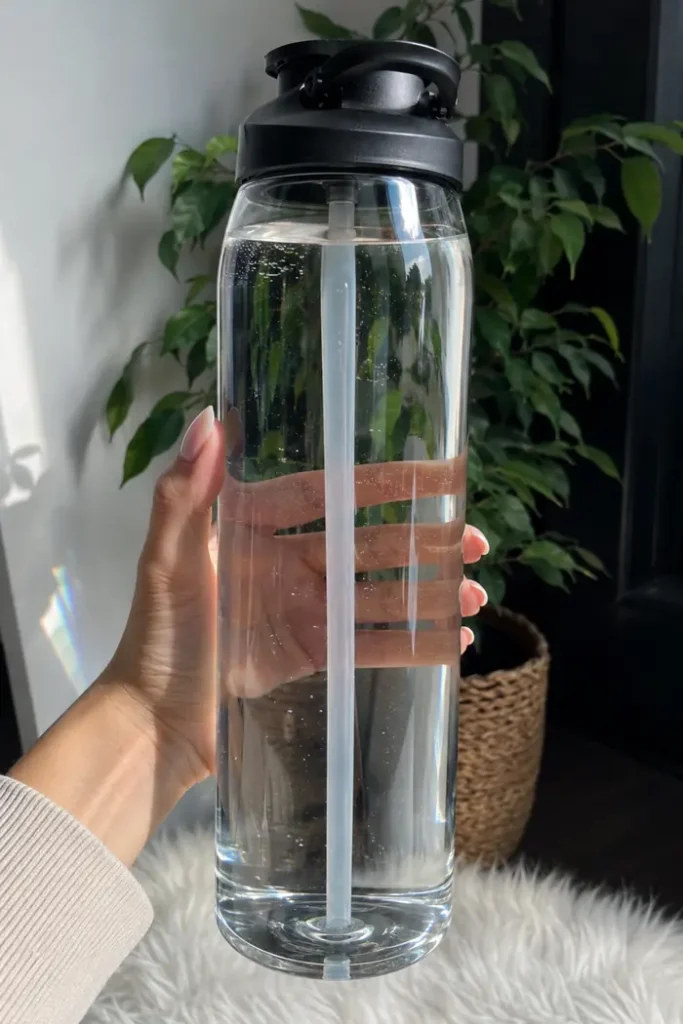
A giant water bottle is basically the adult version of carrying around an emotional-support beverage, and I fully support it.
Water isn’t an acne medication and you do not need to turn hydration into an Olympic event. But consistently drinking enough to avoid dehydration makes sense for your overall health, and keeping a bottle nearby is one of the easiest ways to remember.
Use thirst, your activity level, climate, and your own health needs as your guide instead of forcing yourself to hit some random social-media number. Clear skin loves consistency. Your bladder does not need a personal challenge.
3. Enjoy the ginger shot, but don’t make it your acne treatment

Fresh ginger, lemon, orange, a tiny bottle, and enough spice to wake up every ancestor you’ve ever had—ginger shots definitely know how to make an entrance.
If you genuinely enjoy them, they can fit into a balanced diet. What they can’t do is replace proven acne treatment. You do not have to choke down a fiery little wellness potion every morning to earn good skin.
I’d put way more energy into your everyday meals, your skincare routine, sleep, and consistency. Those boring habits rarely go viral, but boring is often exactly what irritated skin is begging for.
4. Pick one acne active and give it a fair shot
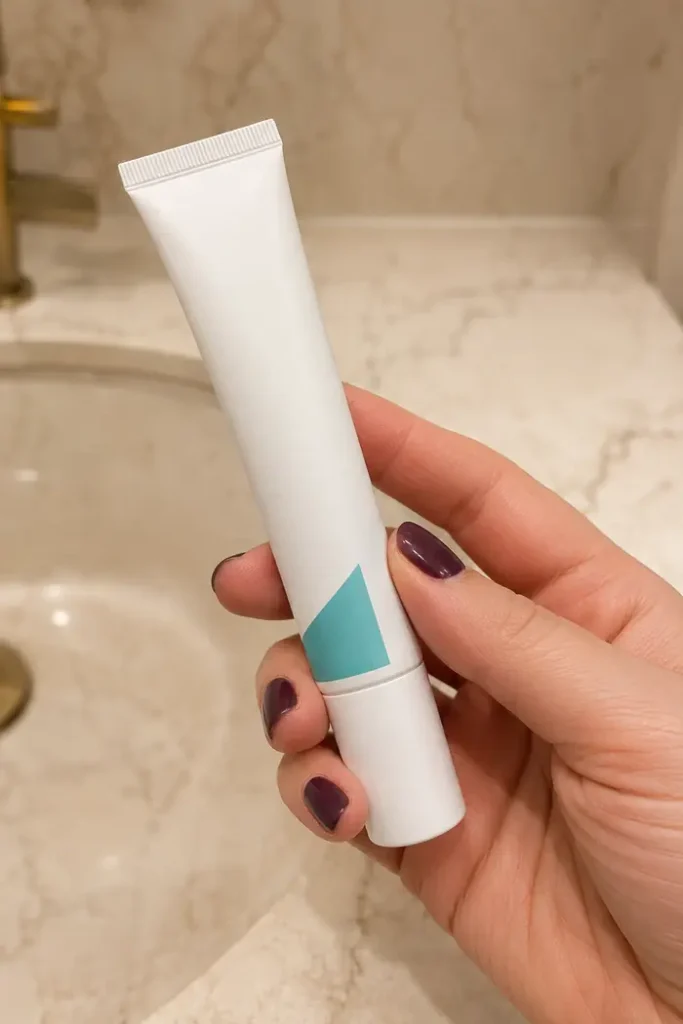
This little treatment tube represents the part of a clear-skin routine that actually deserves your attention: ingredients chosen for what your skin is doing.
Salicylic acid can be useful for clogged pores and blackheads. Benzoyl peroxide is commonly used for inflammatory acne. Adapalene and other topical retinoids help keep pores from clogging, while azelaic acid is another option used for acne and post-breakout discoloration.
The trick is not introducing all of them on the same Tuesday night and then wondering why your face feels like sandpaper. Start carefully, follow the product directions, and give a routine time to work. If you’re pregnant, trying to become pregnant, have very sensitive skin, or use prescription treatments, check with your doctor or dermatologist about which actives make sense for you.
5. Stop exfoliating like your skin personally offended you
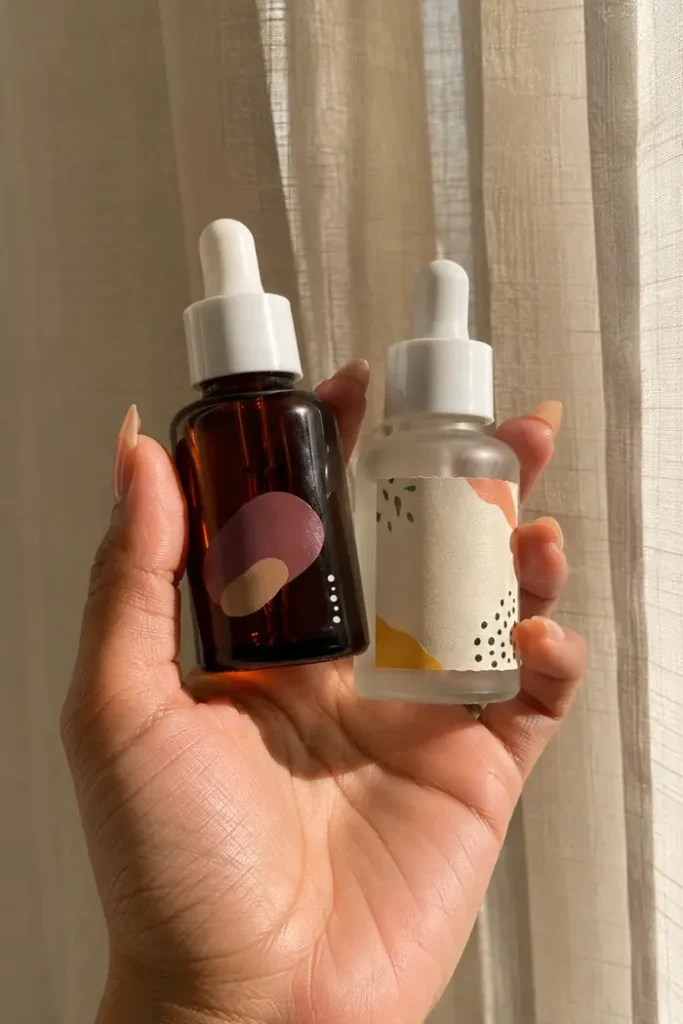
Those little dropper bottles look innocent until you’ve layered three acids, a retinoid, and something called a resurfacing miracle on the same night. Babe. Your barrier did not sign up for this.
More exfoliation does not automatically equal smoother skin. In acne-prone skin, too much irritation can leave you red, dry, stingy, and somehow looking bumpier than when you started.
If an exfoliating serum works well for you, keep the rest of that routine gentle and resist the urge to stack every strong active you own. Smooth skin is a long game, not a scrub-it-off emergency.
6. Let your cleanser be the boring one in the relationship
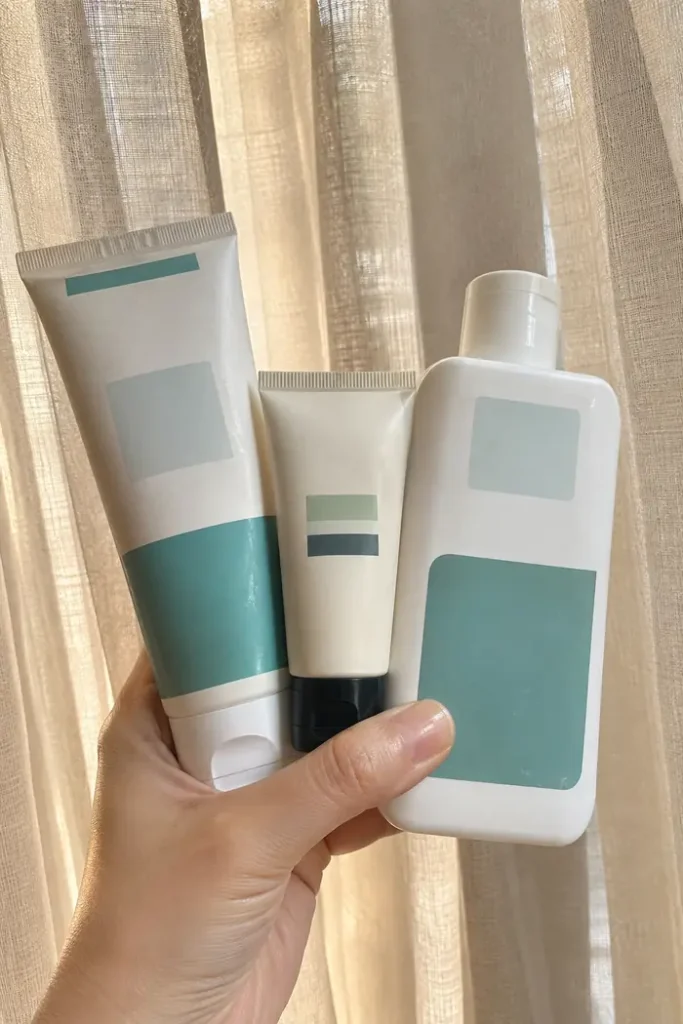
Three bottles, endless ingredient labels, 40 opinions from TikTok—and somehow cleansing your face has become a research project.
For most people, a gentle, non-abrasive cleanser is a very solid place to start. Acne-prone skin does not need to feel squeaky, tight, or stripped after washing. That “so clean it hurts” sensation is not a medal of honor.
If a dermatologist or your skin tolerates an acne-focused wash containing something like salicylic acid or benzoyl peroxide, that can be useful too. The bigger goal is finding something you can use consistently without turning every cleanse into a fight with your face.
7. Double cleanse when there’s actually something to double cleanse

If you’ve been wearing makeup, water-resistant sunscreen, or heavier products all day, an oil cleanser or cleansing balm can make the first cleanse ridiculously satisfying.
Massage it gently, rinse or emulsify it according to the directions, and follow with your regular cleanser if needed. That second cleanse takes care of what’s left without requiring you to massage your face for twenty minutes searching for imaginary “toxins” coming out of your pores.
No makeup and a lightweight day? You may not need two full cleanses every single night. Your routine is allowed to have common sense.
8. Use cold for the de-puffing moment—not as an acne cure
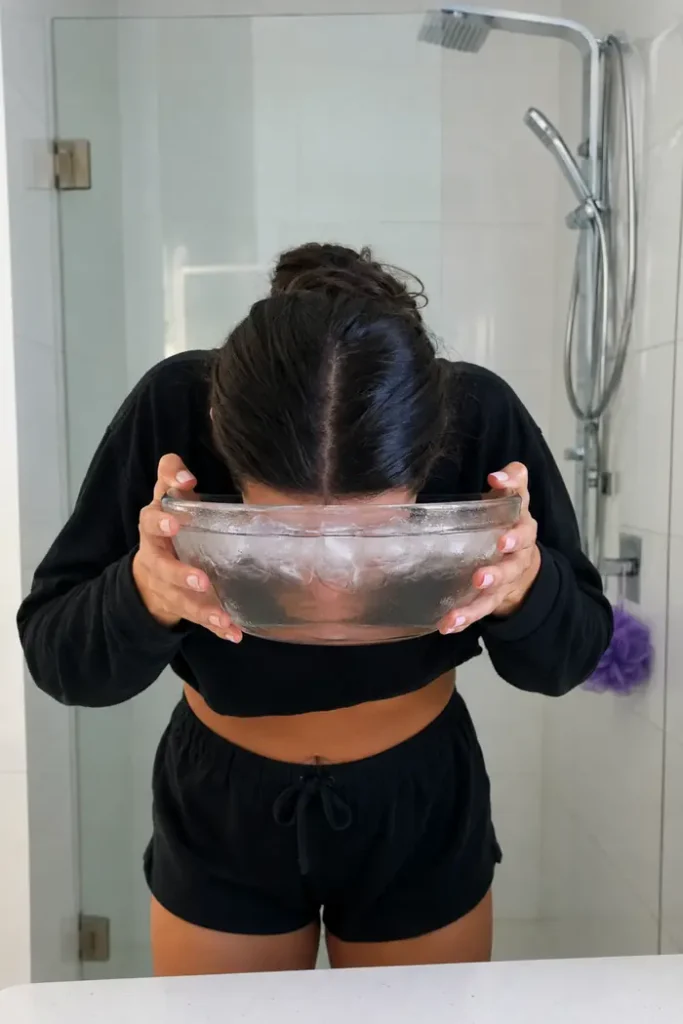
The ice-water face dip is dramatic enough to make you feel like you’ve just completed a very expensive spa ritual before breakfast. And cold can make your face feel refreshed while temporarily helping with puffiness.
What it will not do is unclog your pores, permanently shrink them, or treat the causes of acne. So enjoy the chilly wake-up if your skin likes it, but don’t confuse a temporary cosmetic effect with treatment.
And you absolutely do not need to torture yourself with painfully cold temperatures for prettier skin. We have moisturizer. Civilization has progressed.
9. Work out, get sweaty, then wash that sweat off

A gym session is great for a million reasons. “Sweating toxins out of your pores” just isn’t one of them.
The clear-skin move happens afterward. Dermatologists recommend gently washing acne-prone skin after sweating, especially when sweat has been sitting underneath hats, headbands, or tight workout gear.
So finish the workout, take the triumphant mirror selfie, and then get out of the sweaty clothes and cleanse without scrubbing. Also, maybe wipe down anything that spends half the workout touching your face. Looking at you, phone.
10. Build meals around real food instead of banning everything fun
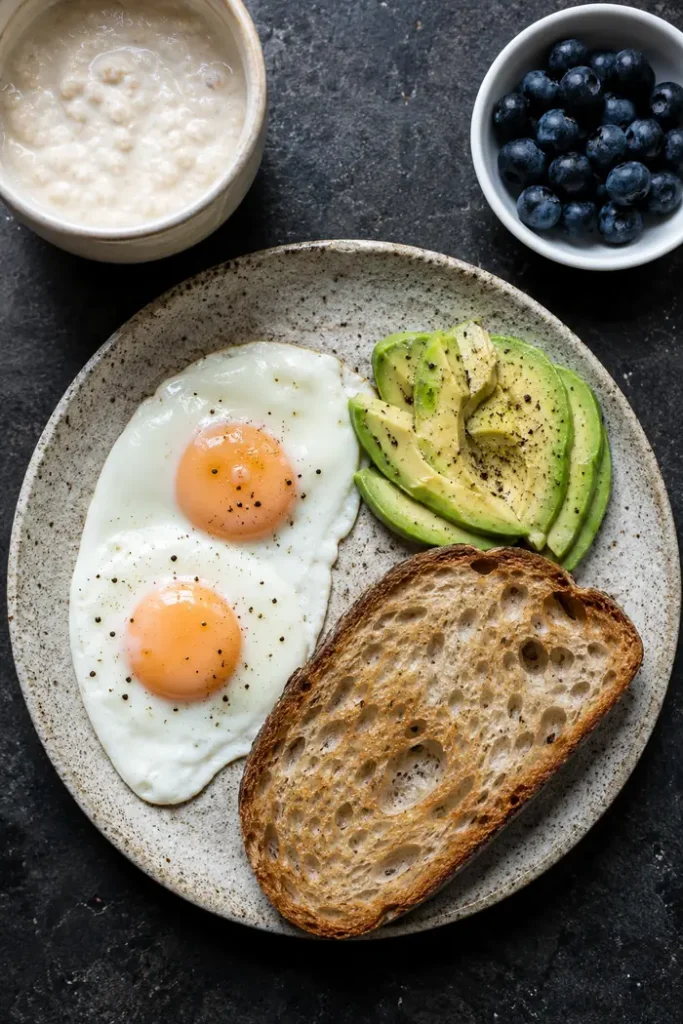
Eggs, avocado, toast, berries, yogurt—this breakfast looks like it actually wants you to stay full past 10:17 a.m., which I appreciate.
Diet and acne are complicated. Research suggests high-glycemic eating patterns may worsen acne for some people, and cow’s milk has also been associated with breakouts in some studies, but that does not mean everybody needs to immediately break up with dairy, bread, chocolate, and happiness.
Start with a balanced eating pattern built around foods that make you feel good. If you consistently notice one food lining up with breakouts, keep track of the pattern and discuss major eliminations with a healthcare professional instead of cutting entire food groups because somebody on the internet had a breakout once.
11. Get your zinc from your plate before raiding the supplement aisle

Oysters, lentils, chickpeas, yogurt, pumpkin seeds, tofu, meat, nuts—the zinc options in this graphic are basically screaming, “Please just eat lunch.”
Zinc is an essential mineral your body needs for normal immune function, cell processes, and wound healing. Getting enough through a varied diet is a sensible health goal.
What I would not do is start mega-dosing zinc supplements solely because you want faster acne results. More is not automatically better, and excessive supplemental zinc can cause problems of its own. Food first; supplements when there’s an actual reason for them and appropriate medical guidance.
12. Eat vitamin A-rich foods, but skip the megadose experiment
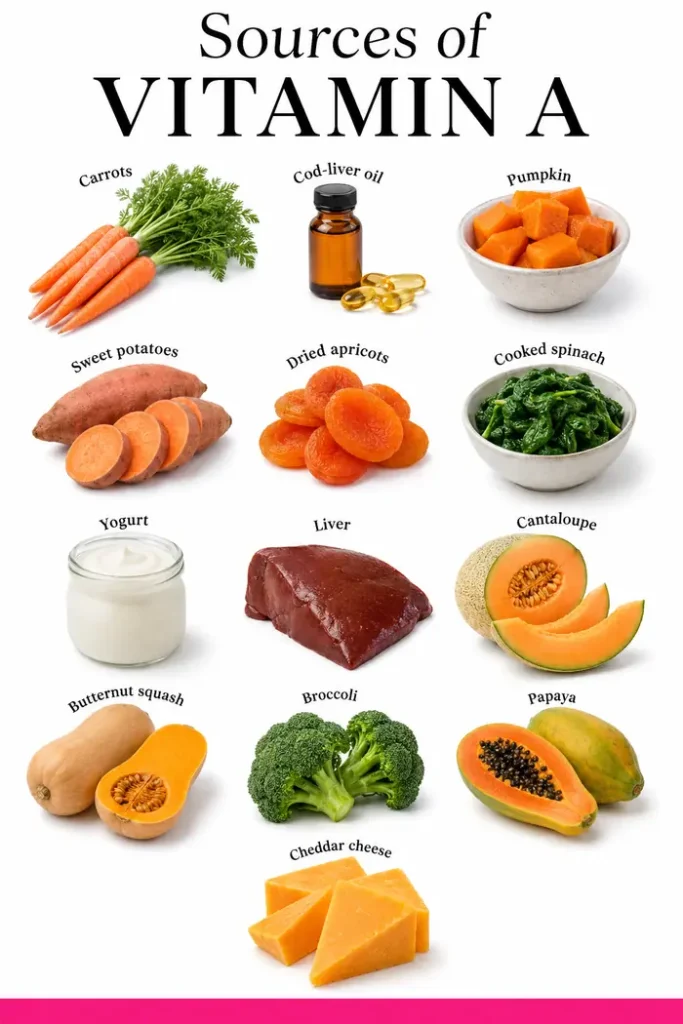
Carrots, sweet potatoes, spinach, pumpkin, papaya, broccoli—the vitamin A food lineup understood the assignment. Your body needs vitamin A for normal vision, immune function, growth, and healthy cell function, and colorful vegetables are an easy way to make your plate more nutritious.
But this is another case where “some is essential” does not mean “a huge supplement dose will clear my face.” High intakes of preformed vitamin A can be harmful, and vitamin A supplements are not a DIY substitute for prescription retinoid acne treatments.
Eat the rainbow because your whole body benefits. Leave therapeutic dosing to actual medical professionals.
13. Give your pillowcase a little more attention

Satin pajamas, matching eye mask, glossy pillowcase—this bed is serving more beauty editorial than my entire bedroom.
You do not need a luxury pillowcase to have clear skin, but keeping the fabric that spends hours pressed against your face reasonably clean is a very easy habit. Pillowcases collect hair products, skincare residue, oil, sweat, and whatever else comes along for the ride at bedtime.
If you’re especially oily, sweat at night, or use lots of hair products, changing yours more frequently may simply feel better. Silk and satin are lovely if you enjoy the smoother feel and lower friction, but consider them a nice extra—not your acne prescription.
14. Moisturizer and sunscreen are doing way more work than they get credit for

This soft, dewy finish? It is exactly why I will defend moisturizer even when somebody tells me their skin is “too oily” to need one.
Acne treatments such as salicylic acid, benzoyl peroxide, and retinoids can be drying or irritating. An acne-friendly moisturizer can make a routine much easier to tolerate. Look for terms such as non-comedogenic or won’t clog pores if you’re breakout-prone.
And in the morning, sunscreen belongs in the routine too. Go for broad-spectrum SPF 30 or higher, and again, choose a non-comedogenic formula if acne is a concern. Sun protection is especially important when you’re dealing with the dark marks pimples love to leave behind.
A simple routine you repeat wins over a shelf full of products you use whenever Mercury is in retrograde.
15. Please wash the makeup brushes
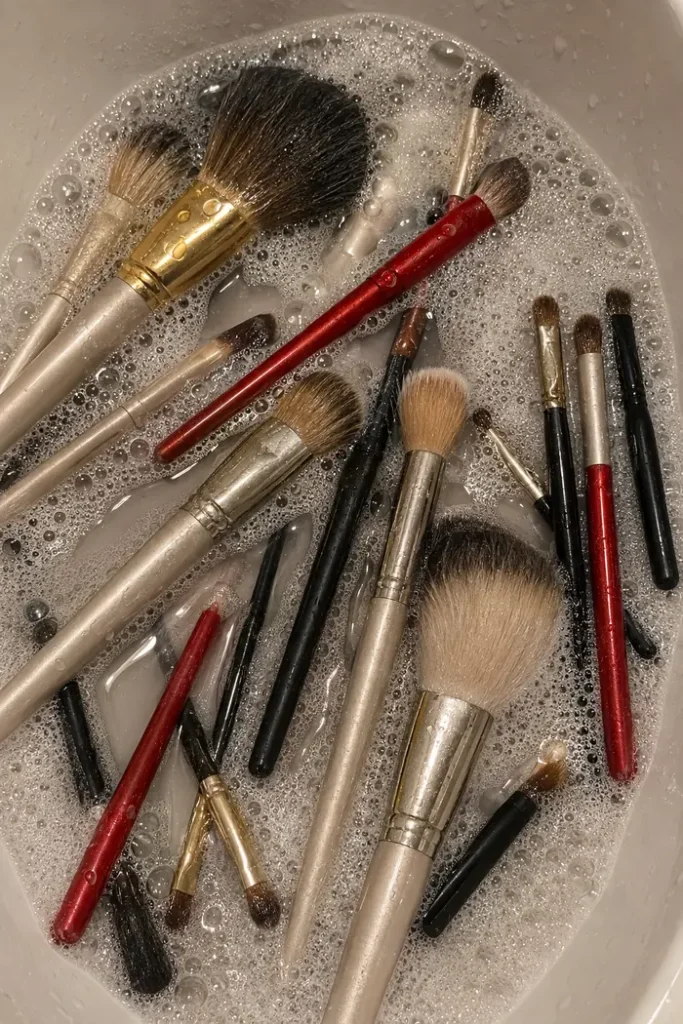
I know. Cleaning makeup brushes ranks somewhere between descaling the kettle and organizing the junk drawer on the list of glamorous weekend activities.
But those bristles repeatedly touch makeup, skin oils, creams, powders, counters, makeup bags, and your face. Letting months of product build up in them is not exactly helping your clear-skin mission.
Wash frequently used brushes regularly with a gentle brush cleanser or mild soap, rinse thoroughly, reshape the bristles, and let them dry completely. Sponges deserve regular cleaning and replacement too. Bonus: clean tools also tend to make makeup go on so much nicer, so your future foundation owes you one.
The clear-skin rule that matters most? Stop switching everything
I know the temptation. You use something for four nights, a pimple appears, and suddenly that product is cancelled and six replacements are en route to your house.
But acne treatment usually needs time. Constantly introducing new products can make it impossible to know what is helping, what is irritating you, and what your skin would have done anyway.
Build a boring little routine you can repeat: cleanse gently, use the acne treatment that makes sense for your skin, moisturize, wear sunscreen during the day, wash after getting sweaty, and give the whole situation some breathing room.
That is considerably less exciting than a 14-step glass-skin haul. It is also a lot easier to keep doing.
FAQs about how to get clear skin
Can I get clear skin in a week?
You may be able to calm irritation, improve hydration, and make your skin look fresher within several days, but acne usually needs more patience. Dermatology guidance recommends giving an acne treatment around six to eight weeks to judge early improvement, and fuller clearing can take longer. So please do not declare your routine a flop after one weekend.
What is the simplest routine for clearer skin?
Keep it almost suspiciously simple. In the morning, gently cleanse as needed, moisturize, and use broad-spectrum SPF 30 or higher. At night, cleanse, apply an appropriate acne treatment if you use one, and moisturize. You can personalize from there, but those basics give you a much better foundation than randomly rotating trendy products.
When should I see a dermatologist for acne?
If you have deep or painful breakouts, acne that is leaving scars or persistent dark marks, sudden severe acne, or breakouts that are not improving despite consistent over-the-counter care, it is worth seeing a dermatologist. You do not have to keep experimenting forever when prescription options and personalized treatment plans exist.
Final thoughts
Learning how to get clear skin is less about finding one genius secret and more about becoming annoyingly consistent with the basics. Gentle cleansing. The right treatment. Enough moisture. Daily sun protection. Sensible food choices. Clean tools. A little patience.
Basically, your skin probably does not need you to become a chemist, nutritionist, and wellness influencer before breakfast. Give it a routine it can actually live with, stick to it long enough to learn what works, and let real skin be real skin along the way.
This article is for general educational information and is not a substitute for individualized medical advice. If acne is severe, painful, scarring, persistent, or you are unsure which treatments are safe for you, speak with a qualified healthcare professional or dermatologist.
